



Warren Buffett buys 4.3 billion dollars in Alphabet stock

Berkshire Hathaway built a major position in the Google parent company while continuing to reduce its Apple and Bank of America holdings
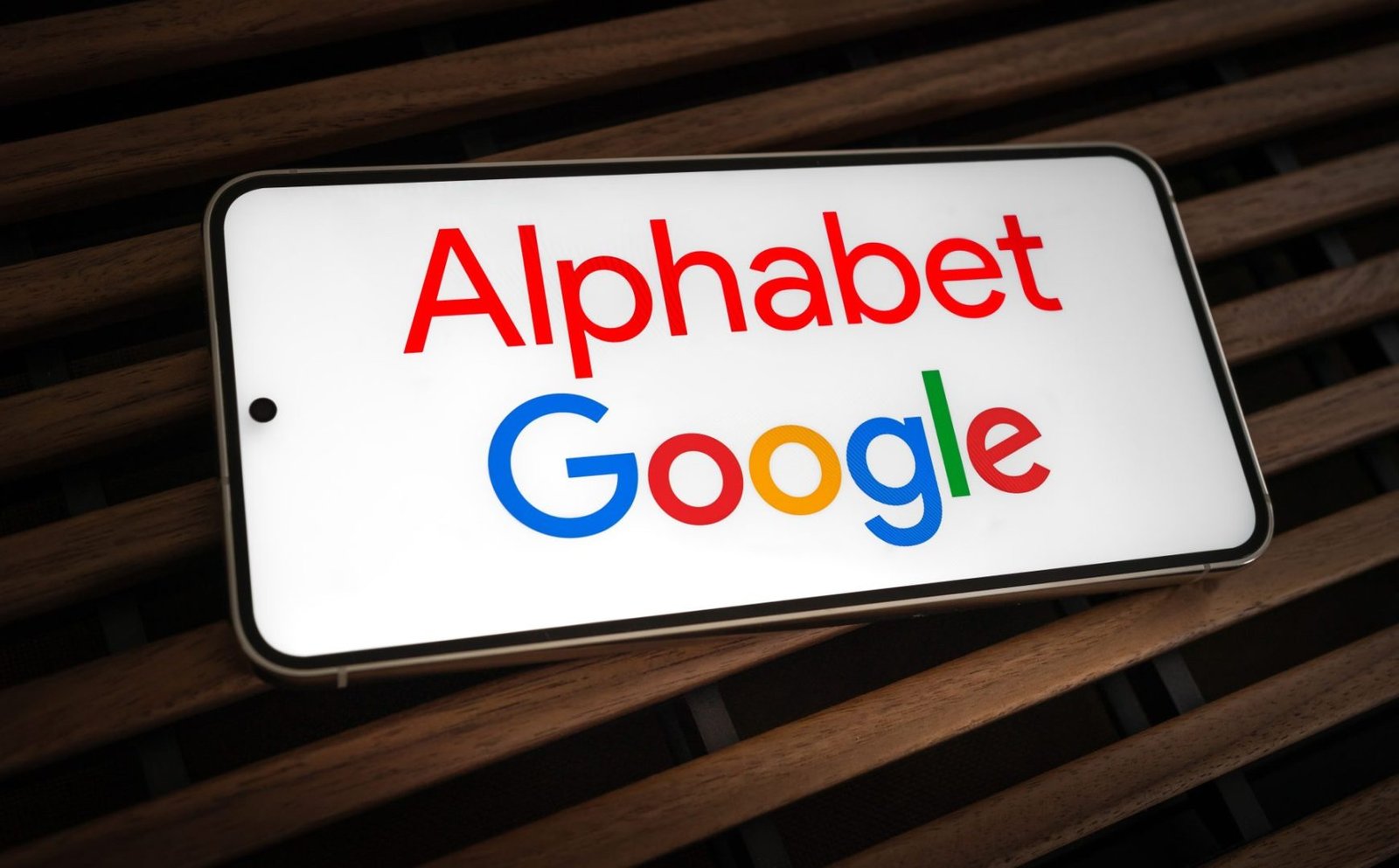
Warren Buffett’s Berkshire Hathaway made a significant move into technology stocks last quarter, revealing a $4.3 billion stake in Alphabet. The purchase marks a notable shift for the legendary investor known for avoiding tech companies throughout most of his storied career.
The company purchased 17.8 million Alphabet shares during the third quarter, with the position valued at $4.3 billion as of September 30. A regulatory filing disclosed Friday provided the first public confirmation of this substantial investment in the Google parent company.
A departure from traditional strategy
Alphabet represents a technology titan with a $3.4 trillion market capitalization. The search and advertising giant has emerged as one of the hyperscalers driving the stock market’s artificial intelligence boom, with shares surging 46% this year alone.
The investment stands out because the 95-year-old Buffett has eschewed technology companies for most of his career. He famously prefers staying within his circle of competence, investing in industries he deeply understands including insurance, banks and railroads.
Apple represents the most notable exception to this pattern. The iPhone maker remains among Berkshire’s biggest portfolio holdings despite recent reductions. The company has methodically pared its Apple stake over recent quarters, continuing that trend by reducing the position 15% last quarter to 238 million shares worth approximately $61 billion at September’s close.
Who made the call
Whether Buffett himself initiated the Alphabet purchase remains unclear. The billionaire employs two investment managers, Todd Combs and Ted Weschler, who handle portions of Berkshire’s portfolio independently. Either manager could have established the new position without direct involvement from Buffett.
The legendary investor has publicly lamented missing opportunities to invest in Google multiple times over the years. On one occasion, he admitted that Berkshire blew it by not buying shares earlier. This regret makes the timing particularly interesting given his impending retirement.
Buffett is set to step down as CEO before the new year ends. He has spent the past six decades transforming Berkshire from a failing textile mill into a world-beating conglomerate valued at $1 trillion. Under his leadership, the company acquired scores of subsidiaries including Geico and Dairy Queen while building huge stakes in household names like Coca-Cola and American Express.
Continued portfolio pruning
While Berkshire added the Alphabet position, it simultaneously reduced other major holdings. Beyond trimming Apple shares, the company pared its key Bank of America stake by 6% during the quarter.
Third-quarter earnings foreshadowed these disposals. The results showed Buffett and his team spent $6.4 billion purchasing stocks but sold $12.5 billion worth, making them net sellers for a 12th consecutive quarter. The latest portfolio update reveals Alphabet made up the lion’s share of purchases during this period.
This selling pattern reflects challenges Buffett faces finding attractively priced investments. Perhaps the world’s foremost bargain hunter has struggled locating deals in recent years as stocks have surged to record levels. Fierce competition has driven up acquisition prices while stock buybacks have grown unattractive with Berkshire shares trading near all-time highs.
The cash mountain grows
Berkshire’s difficulties deploying capital have caused its cash reserves to swell dramatically. After subtracting Treasury payables, the company’s cash pile reached a record $358 billion last quarter.
This enormous war chest creates both opportunity and pressure for Buffett’s successor. Greg Abel, who will take over as CEO, faces the vital task of putting these resources to work productively. Finding suitable investments for such massive amounts proves challenging even in favorable market conditions.
The cash accumulation reflects Buffett’s discipline about avoiding overpriced assets. He famously refuses to overpay for investments regardless of pressure to deploy capital. This patient approach has served Berkshire well historically, though it means sometimes sitting on substantial cash during extended bull markets.
Abel’s inheritance
Abel inherits a company in strong financial position but facing significant strategic questions. How aggressively should Berkshire pursue acquisitions given elevated valuations? Should the company increase its technology exposure beyond Alphabet and Apple? How should it balance buying stocks versus whole companies?
The Alphabet purchase potentially signals greater willingness to invest in technology going forward. If Combs or Weschler initiated the position, it suggests these younger managers see value in tech giants that older leadership might have overlooked. If Buffett himself approved or made the purchase, it indicates evolution in his thinking about acceptable investments.
Buffett’s optimistic outlook
Despite challenges finding bargains, Buffett struck an optimistic tone in his Thanksgiving letter to shareholders this week. He indicated still spotting occasional opportunities and expressed confidence that Berkshire will fare well in coming years.
This optimism reflects faith in both the business model he built and the leadership team taking over. Berkshire owns diverse businesses generating substantial cash flows, providing flexibility to pursue opportunities when they arise.
The company’s insurance operations, utilities, manufacturing businesses and railroad provide steady earnings regardless of market conditions. These cash-generating enterprises fund investments in stocks and acquisitions without requiring external financing.
Market implications
Berkshire’s Alphabet stake purchase carries weight beyond just one company’s portfolio decisions. Other investors closely watch Buffett’s moves for signals about value and market conditions. The tech investment could encourage other traditional value investors to reconsider technology stocks.
Alphabet shares gained attention from this endorsement by one of history’s most successful investors. While Berkshire’s $4.3 billion position represents less than 1% of Alphabet’s massive market capitalization, the psychological impact of Buffett’s approval matters.
Looking ahead
As Buffett prepares to step down, this Alphabet purchase may represent either a final major investment decision or the beginning of a new strategic direction under Abel’s leadership. The coming quarters will reveal whether Berkshire increases its technology exposure or maintains the Alphabet position as a one-time exception.
The company’s enormous cash reserves mean it possesses firepower to make additional major investments when opportunities arise. Whether those opportunities emerge in technology, traditional industries or company acquisitions will define Abel’s early tenure as CEO.
For now, the Alphabet stake demonstrates that even at 95 and approaching retirement, Buffett’s Berkshire continues making bold moves that capture market attention and potentially signal shifts in investment thinking.