



The main issues affecting Black women’s maternal health
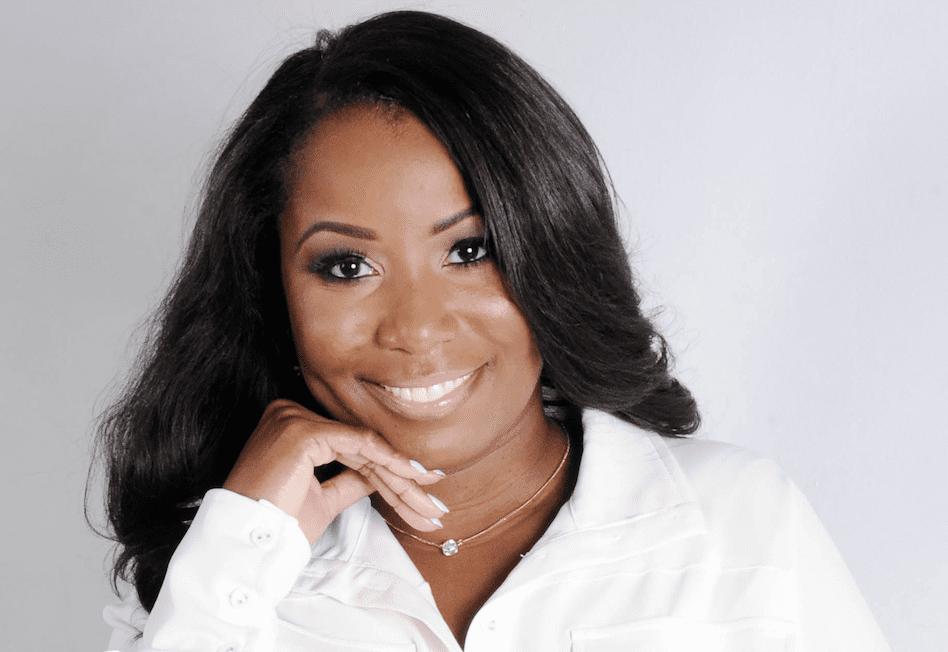
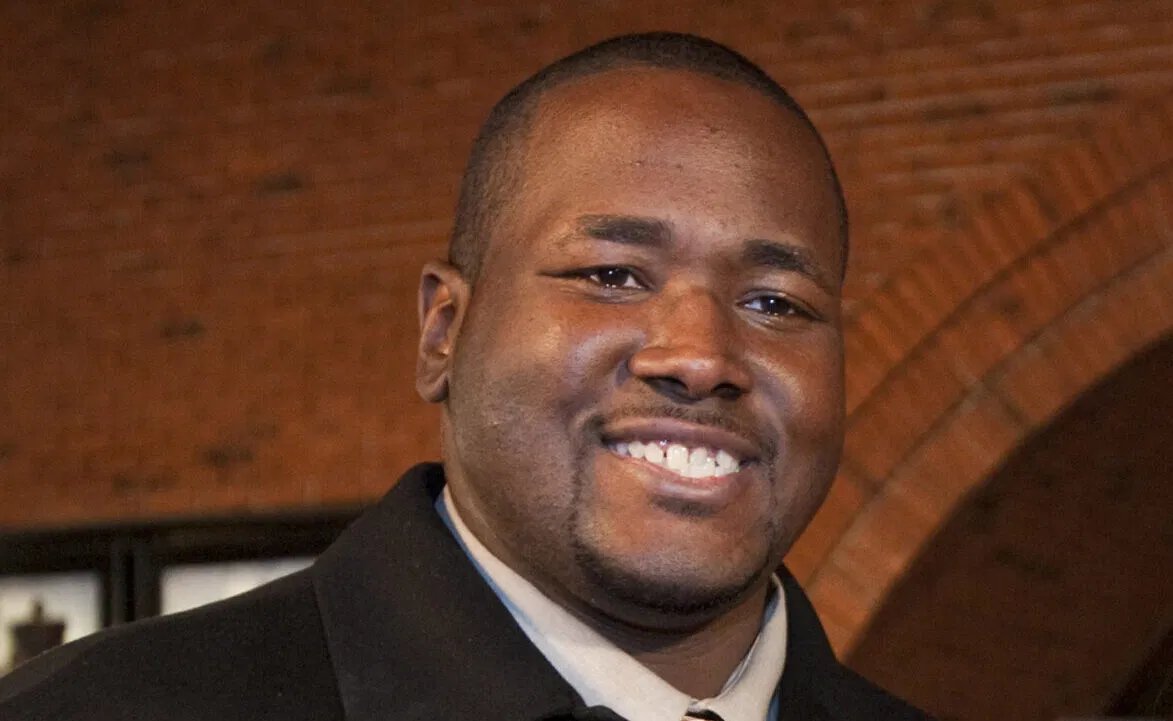
Dr. Peggy Roberts has become a pioneer in women’s health, revolutionizing the landscape of gynecology and obstetrics. By addressing the different healthcare needs of Black women, she has proven to be a shoulder to lean on for women whose voices have been overlooked for far too long. Dr. Roberts’ expertise spans preventive medicine for women, high-risk pregnancies, and various gynecological conditions.
Dr. Roberts spoke with rolling out about maternal health, what women should know about pregnancy and other tips for Black women’s health.
When we talk about racial disparities in maternal health, what does that mean for Black women?
That means that in this country, Black women are three times more likely to die of pregnancy complications. In New York City, where I practice, it’s eight to nine times more likely, which is at alarming rates. The question is why, and this has been going on for decades.
What I think is important to highlight is that we’re having the conversations daily and we want to know why. The government has been aware of this issue and is now creating laws regarding Black maternal health, but it starts at the community level. It starts with community health workers, and it starts with us in terms of feeling empowered. Over 60% of pregnancy deaths are preventable, so with that being said, we need to find the root cause analysis as to why this continues to occur.
What are some of those issues that you see that affect Black women’s maternal health that are being ignored?
I think the first is the stigma regarding our symptoms being dismissed and unheard. There is a stigma out there that Black women endure pain a lot harder than our White counterparts, in terms of we don’t understand what it means to be healthy. The social determinants of health also is a factor. I think that when it comes to Black women, there is no scientific reason to say that our skin is tougher, or we endure pain more, it’s not scientifically based. When it comes to Black women, there’s this unconscious or conscious bias as some will say, regarding our symptoms and when we are encountering a healthcare professional. It’s also rooted in structural racism in terms of what our foundation and what this country kind of stands on.
As a community, how can we check in with new mothers?
Maternal health is not just a provider problem, it’s not a health care system problem, it’s a we problem. I think it starts in the community. What I did was I designed a maternal health certificate for community health workers, just so that they’re aware of what is going on in the maternal health platform and the maternal health realm wellness. Also just leaning on one another and being an advocate for one another. There can be someone who is struggling within your community, church, or organization that you’re with. Sometimes they just need an advocate with them. Lend those services if you can, because it just takes one person to be there as an advocate to be there to show support. Many women are going through the pregnancy journey by themselves with no support. Doula services is important because the research has also shown that doulas also reduce the risk of maternal morbidity and mortality. I know in New York City, there are three doula services, so I think taking advantage of that is going to be helpful and going to move the needle where it should go.