


Longest government shutdown in history ends after 43 days
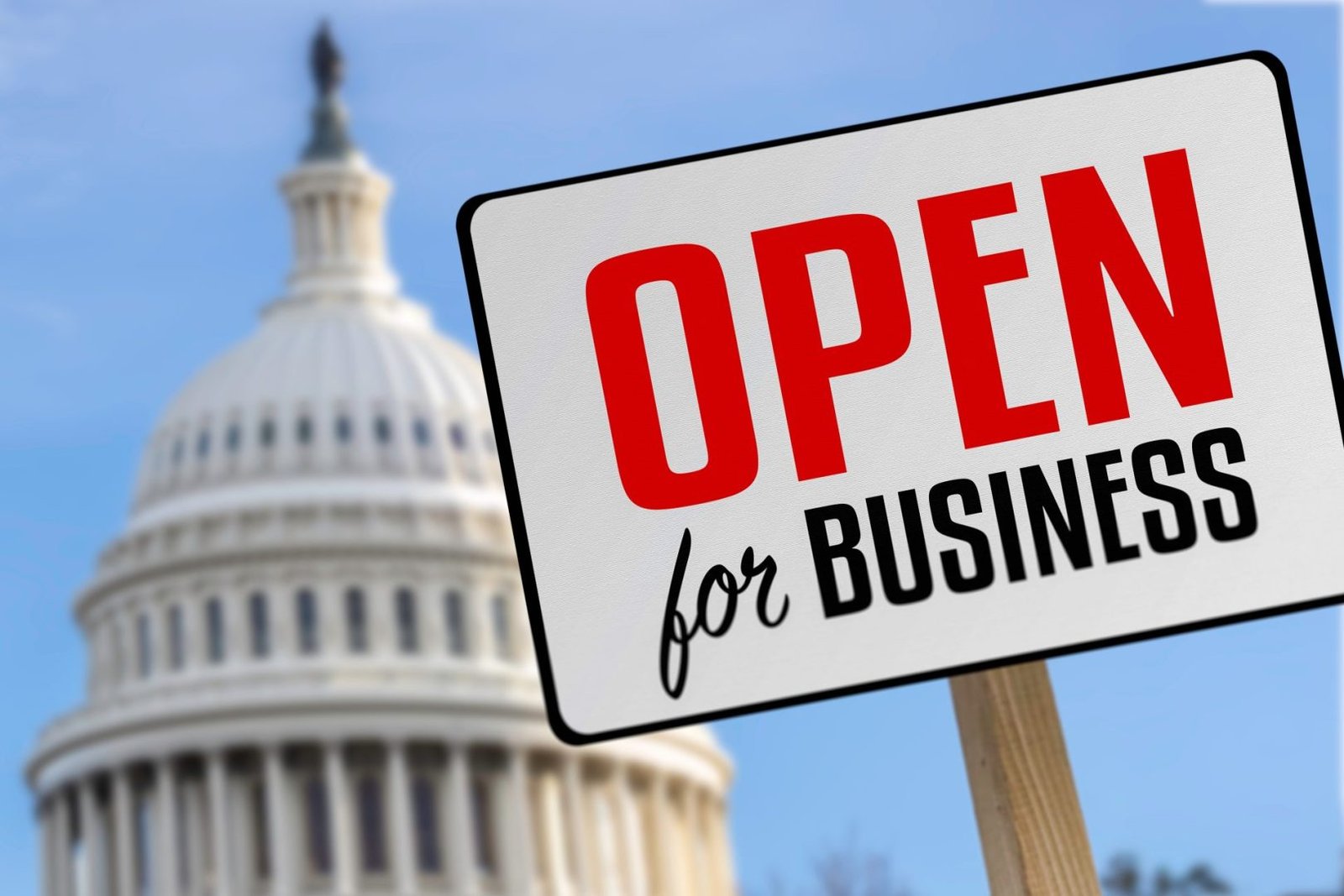

President Trump signed legislation Wednesday night to reopen federal operations following the most extended closure the nation has ever experienced
The federal government has officially reopened following a historic 43-day shutdown that left millions of Americans without critical services and forced federal employees to work without pay or stay home indefinitely. President Donald Trump signed the funding legislation late Wednesday evening, bringing closure to the most extended government shutdown the United States has ever witnessed.
The breakthrough came after Republican leaders in Congress successfully passed a federal funding measure earlier in the day. The bill moved swiftly through both chambers of the legislative branch before landing on the president’s desk for his signature, which he provided just hours later.
Impact on American families and workers
The consequences of this prolonged closure rippled across the nation in ways that officials are still working to fully comprehend. Millions of Americans reportedly missed crucial food assistance benefits during the shutdown, creating hardship for families who depend on federal nutrition programs to feed their children and maintain basic necessities.
Federal employees bore a particularly heavy burden during the crisis. Whether they were deemed essential and required to report to work or told to stay home, thousands of government workers went without paychecks for more than six weeks. This financial strain forced many families to make difficult decisions about paying rent, covering medical expenses and putting food on the table.
Transportation chaos and safety concerns
The shutdown’s effects extended beyond individual households and into critical infrastructure systems. Aviation faced significant disruptions when the Federal Aviation Administration ordered airlines to reduce flight schedules due to a severe shortage of air traffic controllers. The situation, already challenging under normal circumstances, became more dire as the shutdown dragged on and controller absences increased.
Hundreds of flights were cancelled as a result of these staffing shortages, leaving travelers stranded and disrupting business operations across the country. The president addressed the air traffic controller situation in a post on Truth Social earlier this week, threatening consequences for those who were not reporting to work despite being classified as essential personnel.
Political gridlock sparks reform movement
The extended period of dysfunction in Washington prompted frustration among citizens and media observers alike. The inability of elected officials to reach a compromise and fund the government for more than a month raised serious questions about the effectiveness of current political leadership on both sides of the aisle.
This dissatisfaction led to the creation of a grassroots initiative called OWTA, which stands for Out With Their Asses. The movement, launched by media personality Harvey Levin, advocates for holding all current officeholders accountable in upcoming elections if they fail to fulfill their basic responsibility of keeping the government operational. The concept behind OWTA is straightforward: if elected officials cannot work together to perform essential functions, their positions should be contested in the next election cycle.
Looking ahead to recovery
As federal agencies begin the process of returning to normal operations, officials face the daunting task of assessing the full scope of damage caused by the shutdown. Beyond the immediate impacts on food assistance programs and federal paychecks, there are concerns about delayed regulatory processes, suspended research projects and interrupted public services that will take weeks or months to restore fully.
The resolution of this crisis does not erase the hardship experienced by millions of Americans over the past six weeks. Federal employees will need time to catch up on back pay and bills, families who missed food benefits will struggle to recover, and the aviation industry must work to rebuild staffing levels and restore public confidence in travel safety.
The 43-day shutdown now stands as a stark reminder of what happens when political differences prevent leaders from fulfilling their fundamental obligations to the American people they serve.


