





Lenny Wilkens, Hall of Fame player and coach, dead at 88
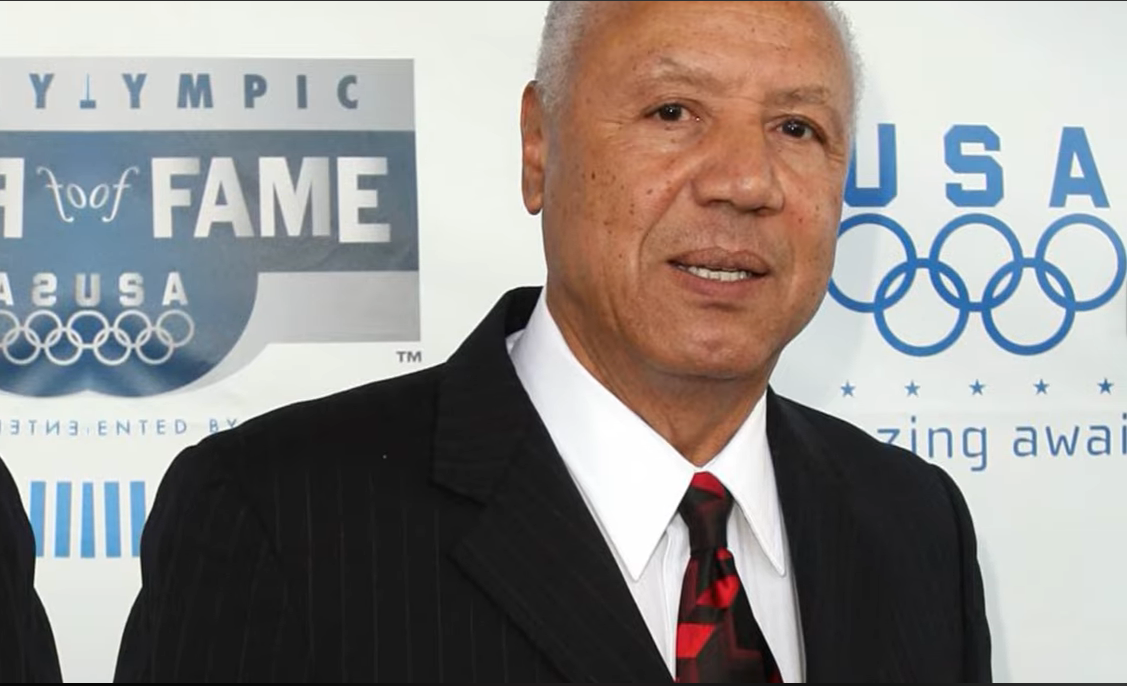
Wilkens is one of only 5 men to be inducted into the Hall of Fame as both a player and a coach
Lenny Wilkens, the thrice Hall of Famer whose calm intelligence and quiet authority shaped generations of basketball greatness, died Sunday. He was 88.
For more than four decades, Wilkens was the embodiment of grace under pressure — first as a smooth, left-handed playmaker with an uncanny sense of the floor, then as one of the most respected coaches in NBA history. Few men have influenced the game so completely, or so quietly. Fewer still have done it from both the hardwood and the sidelines.

A player-coach before his time
In his 15-year playing career, Wilkens was a nine-time All-Star and twice led the league in assists. Barely six feet tall, he saw the game a step ahead of everyone else — what teammates and opponents alike called “Lenny’s sixth sense.”
“Everyone always said I was like a coach on the floor,” Wilkens once told The Boston Globe. “I guess they were right.”
That foresight took tangible form when the Seattle SuperSonics made him a player-coach in 1969. It was a groundbreaking move, especially at a time when few Black men were given such authority in professional sports. “We went around and around,” he recalled. “I told them no at first. I finally decided, what the heck — I had nothing to lose. I’d try it and see if I liked it.”
By his third season, Seattle had its first winning record. Ten years later, Wilkens guided the Sonics to their first and only NBA title. When he lifted the championship trophy on that June afternoon in 1979, Seattle roared as one. “That moment,” Wilkens said later, “wasn’t about me. It was about a city believing in itself.”
The reluctant star
Wilkens’ story began far from the bright lights of the NBA. Raised in Brooklyn’s Bedford-Stuyvesant neighborhood, the son of a chauffeur and a candy-factory worker, he lost his father when he was five. Basketball, at first, wasn’t destiny — it was escape.
“I didn’t come from anything,” he once told Newsday. “So I understand what young players are going through. I’ve been there.”
He didn’t make his high school team until his senior year, and only landed at Providence College because his parish priest wrote to the school’s athletic director on his behalf. There, Wilkens became the Friars’ first true star — a two-time All-American who led Providence to the NIT finals in 1960. “Lenny was our pioneer,” former Providence coach Joe Mullaney once said. “He showed everyone here what was possible.”
His No. 14 jersey became the first ever retired by the school.
When the St. Louis Hawks drafted him in 1960, Wilkens brought the same humility and hunger. By 1968, he was runner-up to Wilt Chamberlain in MVP voting. “He wasn’t flashy,” teammate Zelmo Beaty said years later. “But every night, you looked up and Lenny had 20 points and 10 assists — and you were winning.”
A coach for every kind of team
Coaching came naturally — almost as though Wilkens had been doing it his whole life. Over 32 seasons, he led the SuperSonics, Trail Blazers, Cavaliers, Hawks, Raptors, and Knicks to a combined 1,332 victories — the third most in NBA history.
NBA commissioner Adam Silver added in a statement Sunday: “Lenny Wilkens represented the very best of the NBA — as a Hall of Fame player, Hall of Fame coach, and one of the game’s most respected ambassadors.”
Three times a Hall of Famer
Wilkens’ influence spans eras, teams, and even continents. He’s one of only five men enshrined in the Naismith Memorial Basketball Hall of Fame as both player and coach — joining Bill Russell, John Wooden, Bill Sharman, and Tom Heinsohn — and the only one to later be inducted a third time, as an assistant coach for the 1992 Olympic “Dream Team.”
In 1996, he guided Team USA to Olympic gold in Atlanta. “It’s an incredible thing,” he said at the time. “When you look down that bench and see the greatest players in the world — and they’re looking back, listening — that’s something special.”
The man beyond the game
After retiring in 2005, Wilkens settled in Medina, Washington, where he continued to lead quietly — this time off the court. For 17 years, he headed the NBA Coaches Association and raised millions through the Lenny Wilkens Foundation, funding health and education programs across Seattle.
“He never stopped giving,” said WNBA’s Seattle Storm in a statement Sunday. “His legacy and impact, both on the court and throughout our community, will continue to inspire for generations.”
Through all of it, Wilkens never changed. “The game gave me everything,” he once said. “I just tried to give something back.”