

Keiynan Lonsdale on how you can become a Healthy Sexual


The actor and musician discusses his journey from fear to clarity and why honest conversations about HIV prevention matter
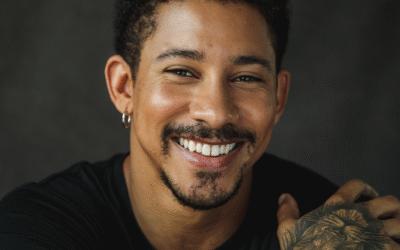
Keiynan Lonsdale is an actor and musician known for his roles in “The Flash,” “The Divergent Series,” and “Love, Simon.” Beyond his work in film and television, he’s established himself as a musician, releasing his debut album Rainbow Boy in 2020, which earned a GLAAD Award nomination. In 2019, Lonsdale publicly came out as gay and has since become a respected LGBTQ+ advocate in the entertainment industry.
He leverages his platform through both his film and music projects to promote visibility and meaningful representation. Now, he’s partnering with Gilead on the Healthy Sexuals campaign to help break the stigma around HIV prevention and open up honest conversations about sexual health in the Black community.
What made you decide to be transparent about PrEP and your sexual health journey?
It’s definitely worth it. It’s a matter of being able to impart something honest and authentic from real experience onto culture and communities that you’re a part of. What the people did before us, it’s the legacies that they built and the doors that they opened. I’m really super honored to be a part of the conversation and be able to have a platform and use it in a way that allows people and inspires people to be more comfortable and more confident and more free.
There’s nothing that I value more than people feeling more comfortable to be themselves, to be more honest, and to have a better time navigating this life. I think there’s enough obstacles that life presents us. The ones that maybe aren’t so necessary, I’m happy for those to be lifted so that we can come together and make even greater decisions.
You’ve spoken about growing up with a lot of fear and confusion around sex and health. What was the turning point for you in shifting from fear to clarity?
There’s different points and stages. One of the first stages was definitely coming out in general, owning my sexuality and my sexual preferences, owning that I was queer and gay. That was maybe seven years ago that I did that properly and wholeheartedly. That was amazing. It was such a burden off my shoulders, and I also got to be a part of projects such as Love, Simon that really advocated for that and created such a beautiful wave of freeing energy around the world.
I became a bit of a poster boy in many ways for coming out, and that was an amazing experience, but I also really struggled with that. After maybe one to two years, I realized that while I had queer friends sporadically over time, I didn’t know what I was doing in terms of dating. I didn’t know what I was doing in terms of sex. I didn’t know what I was doing in terms of being vulnerable and having deep conversations. I was actually really struggling, and I found that I had to eventually stop talking about sexuality because I didn’t have anything else to teach or share with people.
I had to withdraw and work a lot on it myself. I found myself in romantic relationships, some really great, some not so great. I found myself navigating being single and having sex with men, some great, many not so great. A lot of therapy, a lot of conversation, eventually being able to find my friends and friendships that I could speak about these things with and learn how to navigate them in a safer way, in a more respectful way, respectful to myself and respectful to other people.
Eventually I got to the point where I was super ready to feel comfortable with who I am as a sexual being. Gay, straight, queer, bi, whatever. I just know that I want to be able to enjoy this, whether it’s with my partner or if I’m out there living my single life. I want to enjoy it. I don’t want to be super in my head. I don’t want to keep creating a negative experience where I feel trapped and like I’m not enjoying this life. Sex and making love is a beautiful thing. It is what creates life. It’s a wonderful thing that can be celebrated, and it’s important to navigate it in a way that is safe, respectful, honest, fun, and free.
Being able to partner with Gilead and talk openly, now that I’ve felt like I’ve done the work on myself to feel comfortable and honest, is amazing. I highly suggest PrEP if you and your health professional think that it’s right for you. I think that it certainly helps me and a lot of people have a lot more peace of mind, feel more comfortable, more confident, more free. It’s amazing that we have something that allows us to create way higher chances of HIV prevention.
We know that silence and stigma has impacted the Black community a lot. What do you wish more people understood about that impact?
Going back to the fact that it’s not necessary. We deal with enough shame and things that separate us and make us feel like perhaps we’re not enough or that we wouldn’t have a seat at the table. I think anything that allows us to remain and stand in our power, and that’s honest conversation and access to the best health that we can get, the best conversation and health access that everybody else has.
I’d love eventually things to get to the point where even within families, sex can be talked about a lot more because that can be part of where shame begins. It’s difficult to talk about sex in general, but certainly in family and growing up. Any stigma that is higher affecting a particular group, and for us Black people, it’s even more reason to talk about it and to have more Black people talking about it.
Can you tell us about the Gilead campaign?
The main thing that I’m part of is increasing conversation, talking about it, talking about my story, putting my face out there, having conversations and interviews. For me, it’s also practicing what I preach, making sure that when I’m actually out here with partners, being sexually active, that we’re having conversations about our sexual health and PrEP specifically.
Also making sure I know my status, making sure that I know my options. I’m very happy to put my face out there and say yes, I’m doing that, and I think that we should do that. I think that’s really what the campaign is about. It’s spreading awareness and saying that together, making this conversation easier and more comfortable, gets us way closer to the path of complete HIV prevention. That’s the goal everywhere.
What would you tell someone who wants to take control of their health but is afraid to take that first step?
The fact that you can go to healthysexuals.com is amazing. You want to find a healthcare provider. That’s gonna be the main foundation of access to safe conversation and being able to have a private, comfortable conversation to say, is PrEP right for me? And then you can also ask any questions that you’re afraid of. People come with their different fears or stigmas, and you’re meant to have a safe space where you can discuss that and discuss what kind of treatment is good for you.
Once you begin that personal journey, I think it’s important to talk to friends where you feel safer. That’s what I did. Once I had a friend that spoke to me about their journey, I kind of felt like okay, well, maybe I can do that. They told me the doctor that they went to, and I was like okay, cool, I’m gonna follow in their footsteps. Friendship and community in our space is the most important and powerful thing. That’s kind of why I said back at the beginning I needed to stop talking about my own journey because I really needed to cultivate community and safe space so that you can support each other.
My suggestion would be to get the correct medical advice and to really dig deep. If you need to journal about it, like who are the people I can trust. You go to one, two people, you get the right advice. You’ll know inside whether that feels good and you just keep following. Self-education is super important when it comes to things like this.