



Japan faces fresh earthquake threat along vulnerable coast

Coastal communities brace as seismic activity triggers warnings, reviving memories of past disasters
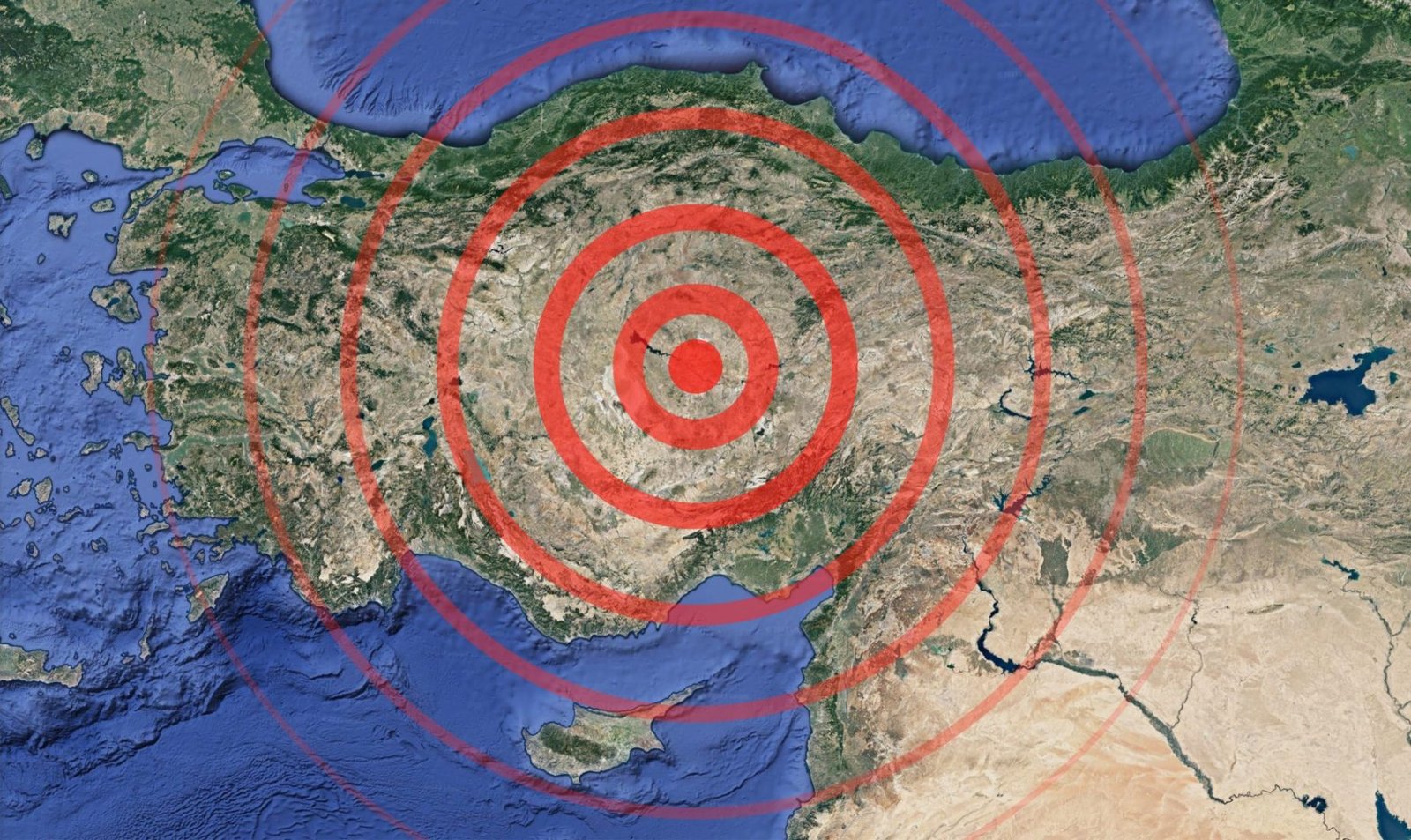
Northern Japan confronted a sobering reminder of its geological vulnerability Sunday evening when a significant earthquake struck off the Iwate coast, prompting immediate tsunami warnings and sending coastal residents scrambling for safety. The seismic event, measuring 6.7 on the preliminary scale, originated beneath the ocean floor at a shallow depth, creating conditions ripe for potential wave activity along the vulnerable shoreline.
Immediate Response and Community Alert
The Japan Meteorological Agency sprang into action following the initial tremor, which struck approximately 10 kilometers below the sea surface around 5 p.m. local time. Authorities swiftly issued advisories warning of potential tsunami waves reaching heights of up to one meter along the northern coastal corridor. This precautionary measure remained active for over an hour as officials monitored the evolving situation and tracked subsequent seismic activity rippling through the region.
Public broadcaster NHK quickly mobilized its emergency communication protocols, urging residents to evacuate coastal zones immediately. The network emphasized the unpredictable nature of tsunami behavior, noting that successive waves often arrive hours after the initial surge and can intensify unexpectedly. This phenomenon, where later waves potentially exceed the height of earlier ones, makes premature returns to coastal areas particularly hazardous.
Measuring the Ocean’s Response
Maritime monitoring stations detected the ocean’s reaction almost immediately. Ofunato city recorded the first measurable wave at approximately 10 centimeters, with similar readings appearing at Ominato port, Miyako, and Kamaishi. The coastal community of Kuji subsequently registered more substantial wave activity, with measurements reaching 20 centimeters. While these figures may appear modest compared to catastrophic historical events, officials maintained their vigilant stance, understanding that ocean dynamics following seismic events remain inherently unpredictable.
Infrastructure and Nuclear Concerns
The region’s two nuclear facilities became focal points of immediate scrutiny following the earthquake. Operators reported no abnormalities at either plant, offering crucial reassurance to a population acutely aware of nuclear vulnerabilities in seismically active zones. This swift confirmation addressed one of the most pressing concerns following any significant earthquake in Japan’s nuclear-equipped regions.
Transportation networks experienced immediate disruption as safety protocols activated automatically. JR East, the railway operator managing the area’s bullet train service, implemented temporary delays while conducting track inspections and assessing structural integrity. Power distribution networks also suffered interruptions, leaving portions of the affected zone without electricity as utility crews worked to restore services and evaluate damage to transmission infrastructure.
Aftershocks and Ongoing Vigilance
The initial earthquake represented merely the opening chapter of what seismologists anticipated would be an extended seismic sequence. Additional tremors continued rattling Iwate Prefecture throughout the evening, exhibiting the characteristic pattern of aftershock activity that typically follows major earthquakes. Each subsequent tremor carried the potential for additional coastal impacts, compelling authorities to maintain their defensive posture and keep warnings active.
Geographic Context and Historical Perspective
Japan‘s position along the notorious Pacific Ring of Fire places the archipelago squarely within one of Earth’s most geologically volatile zones. This massive horseshoe-shaped region, where tectonic plates collide and grind against one another, generates the majority of the world’s most powerful earthquakes and volcanic eruptions. For Japanese communities, seismic preparedness represents not merely a governmental function but a cultural imperative woven into daily life.
The Iwate region carries particularly heavy historical weight regarding earthquake disasters. March 2011 brought devastating consequences when a massive earthquake triggered a catastrophic tsunami that claimed thousands of lives and precipitated the Fukushima nuclear crisis. That tragedy fundamentally transformed Japan’s approach to disaster preparedness and nuclear safety, leaving an indelible mark on national consciousness.
Diverging Assessments
Interestingly, the U.S. Geological Survey offered a slightly different preliminary assessment, calculating the earthquake‘s magnitude at 6.8. Such variations between monitoring agencies commonly occur during initial evaluations, as different seismological networks employ varying methodologies and sensor arrays. These figures typically converge as additional data becomes available and analysts refine their calculations.
The evening’s events underscored Japan’s ongoing reality: living with constant seismic threat while maintaining sophisticated monitoring systems and emergency response protocols that serve as global models for disaster preparedness in earthquake-prone regions.
Source: AP News