


How exercise lowers blood pressure
High blood pressure, also known as hypertension, is a common health concern that affects millions worldwide. If left unmanaged, it can lead to serious health complications. Regular exercise is one of the most effective natural strategies to combat this condition. Understanding how exercise lowers blood pressure not only empowers you to take proactive steps toward your health but also highlights the intricate relationship between physical activity and cardiovascular wellness.
The Mechanism: How Exercise Affects Blood Pressure
Understanding Blood Pressure
Before delving into the specifics, it’s essential to understand blood pressure. Blood pressure measures the force of blood pushing against the walls of your arteries as it circulates through your body. High blood pressure means that this force is consistently too high, which can damage your blood vessels over time.
Immediate Effects of Exercise
When you exercise, your heart beats faster to supply muscles with more blood, increasing your heart’s workload and blood flow. This might sound counterintuitive—wouldn’t that raise blood pressure? In the short term, your systolic blood pressure (the top number in a blood pressure reading) rises during exercise. However, the key is your body’s long-term adjustments in response to regular physical activity, decreasing resting blood pressure.
Long-Term Benefits of Regular Exercise
Enhanced Blood Vessel Flexibility
Regular physical activity promotes the elasticity of the arteries. More flexible arteries can dilate more efficiently, accommodating blood flow with less resistance, thus lowering blood pressure.
Strengthened Heart Muscle
Exercise strengthens the heart muscle, enabling it to pump blood more efficiently. A stronger heart can pump more blood with less effort. As the heart’s workload decreases, so does the pressure exerted on the artery walls, which lowers blood pressure.
Types of Exercise to Lower Blood Pressure
Cardiovascular Exercises
Activities like walking, jogging, cycling, swimming, and dancing are excellent for reducing blood pressure. These exercises help raise your heart rate and improve the health of your blood vessels and heart.
Strength Training
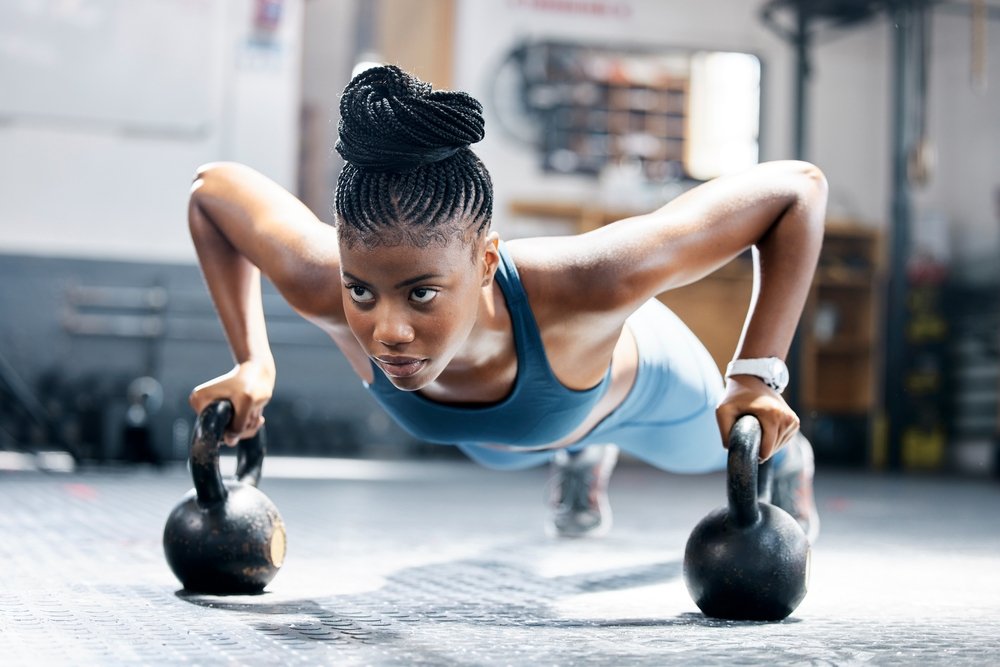
Incorporating strength training, such as using weights or body-weight exercises, at least two days a week can also help reduce blood pressure. It builds muscle mass, increasing metabolic rate and reducing fat, aiding blood pressure management.
Flexibility and Breathing Exercises
Yoga and stretching help improve flexibility, decrease stress, and lower blood pressure. Additionally, breathing exercises can reduce stress and encourage relaxation, helping manage blood pressure.
Lifestyle Integration: Making Exercise a Habit
Start Slow
If you’re new to exercise or have been inactive, start slowly. Gradually increase the intensity and duration of your workouts.
Consistency is Key
Health experts recommend at least 150 minutes of moderate-intensity exercise per week. Consistency in exercise is more effective for lowering blood pressure over time than sporadic, intense workouts.
Monitor Your Progress
Keep track of your blood pressure readings and physical activity. This will motivate you and help you understand how different types and intensities of exercise affect your blood pressure.


