


Diddy’s $100M revenge on NBCUniversal begins

Hip-hop mogul claims rushed production destroyed reputation while facing federal incarceration
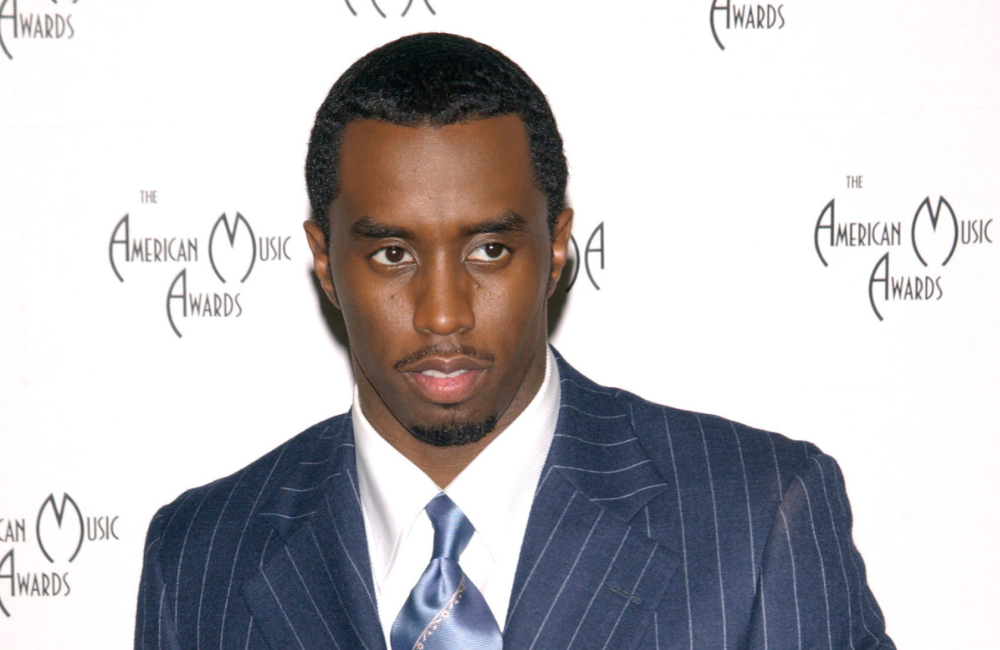
The collision between celebrity image and investigative journalism has reached a boiling point as Sean “Diddy” Combs launches a $100 million defamation offensive against NBCUniversal. At the heart of this legal firestorm sits Diddy: The Making of A Bad Boy, a documentary the music executive claims weaponized speculation to destroy what remains of his public standing.
The documentary that sparked a legal inferno
Combs’ attorneys have drawn a line in the sand, asserting that NBCUniversal’s production recklessly branded their client as a predator while insinuating his involvement in the deaths of Kim Porter, Christopher “Biggie Smalls” Wallace, and Heavy D. The lawsuit characterizes the documentary as a hasty cash grab that sacrificed journalistic integrity for sensational headlines.
According to court filings, Ample Entertainment co-founder Ari Mark acknowledged the accelerated timeline, noting the project needed to differentiate itself in an increasingly crowded media landscape. Combs’ legal team has seized upon these comments as evidence of compromised editorial standards, arguing that speed trumped accuracy in the production process.
The documentary arrived during a particularly vulnerable moment for Combs, who currently serves time following a partial conviction. His expected release date of June 4, 2028, looms as both parties prepare for protracted courtroom warfare.
Diddy‘s own words become ammunition
NBCUniversal has mounted an aggressive counteroffensive, leveraging statements Combs made during his sentencing hearing. The mogul admitted in court that his own choices led to the loss of his freedom, career, and reputation. Defense attorneys now wield these admissions as proof that any reputational damage stems from Combs’ own actions rather than media coverage.
The network’s motion to dismiss emphasizes that their documentary drew from established facts and public record. They maintain that connecting dots between well-documented events and Combs’ behavior falls squarely within protected journalistic territory.
When entertainment journalism meets legal reckoning
This confrontation transcends one celebrity’s grievances. The case probes fundamental questions about media accountability in the digital age, where the race for content often collides with thorough fact-checking. Entertainment journalism has evolved into a 24-hour competition for attention, with streaming platforms and cable networks jockeying for relevance.
The lawsuit arrives amid a broader cultural reckoning where public figures increasingly challenge media narratives through litigation. Celebrities from Johnny Depp to Prince Harry have demonstrated willingness to pursue legal remedies against outlets they believe crossed ethical boundaries.
Parallel legal battles complicate the narrative
Combs‘ legal troubles extend beyond NBCUniversal. CJ Wallace, son of the late Biggie Smalls, recently became entangled in separate litigation involving allegations against the music mogul. These interconnected legal battles create a complex web that may influence how courts and public opinion evaluate the defamation claims.
The Wallace family’s involvement adds layers of irony to proceedings, given that the documentary specifically referenced Biggie Smalls’ death as part of its narrative arc. Whether these parallel cases strengthen or undermine Combs’ position remains uncertain.
Media freedom versus personal destruction
NBCUniversal’s defense hinges on First Amendment protections that shield journalists reporting on public figures. Yet Combs’ team argues there exists a distinction between aggressive reporting and malicious fabrication. They contend the documentary crossed from protected speech into actionable defamation by presenting unsubstantiated theories as established fact.
Legal experts note that defamation cases involving public figures face steep hurdles. Plaintiffs must prove actual malice, demonstrating that defendants knew information was false or showed reckless disregard for truth. The production timeline and Mark’s comments about standing out may become pivotal in establishing whether NBCUniversal acted with requisite malice.
The precedent that could reshape entertainment media
Should Combs prevail, the verdict could fundamentally alter how media companies approach documentary programming about controversial figures. Production companies might face heightened scrutiny regarding their editorial processes, potentially slowing the rapid-fire content creation that defines modern entertainment journalism.
Conversely, dismissal would reinforce protections for aggressive investigative work, signaling that public figures cannot easily weaponize defamation claims to silence unflattering coverage. The stakes extend far beyond one mogul’s reputation or one network’s balance sheet.
As both sides dig in for what promises to be a lengthy legal battle, the entertainment industry watches closely. The outcome will help define where journalism ends and character assassination begins in an era when those boundaries grow increasingly murky.