



Brilliant ways to predict Northern Lights displays

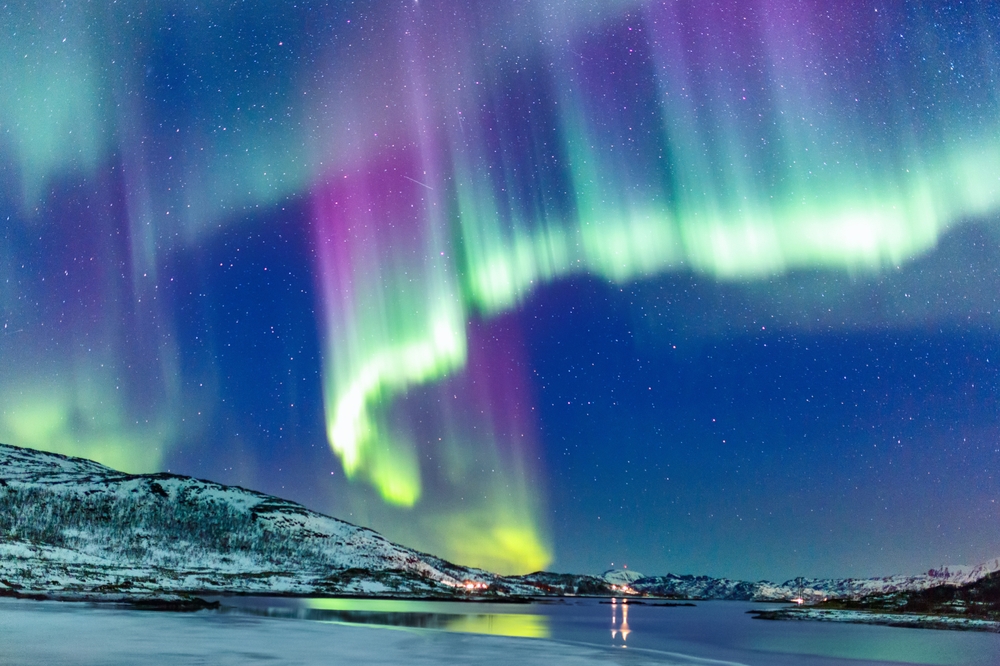
Experts reveal how aurora borealis forecasting helps travelers catch nature’s most spectacular light show
The aurora borealis has captivated humanity for centuries, painting the night sky with vibrant curtains of green, purple, pink and occasionally red light. These mesmerizing displays occur when charged particles from the sun collide with gases in Earth’s atmosphere, creating one of nature’s most enchanting spectacles. However, witnessing this phenomenon requires more than luck. Aurora borealis forecasting has become an essential tool for travelers, photographers and nature enthusiasts hoping to experience the lights at just the right moment.
The unpredictability of Northern Lights sightings makes forecasting crucial. Even locations near the Arctic Circle do not guarantee nightly displays, as solar activity fluctuates constantly and Earth’s weather conditions play a significant role in visibility. Without accurate predictions, most aurora sightings would remain purely coincidental encounters rather than planned experiences.
How scientists predict auroral activity
Aurora forecasting relies on sophisticated space weather monitoring systems that track solar activity through satellites, observatories and scientific models. When the sun releases bursts of energy through solar flares and coronal mass ejections, these explosions launch clouds of charged particles into space. Scientists can estimate when these particles will reach Earth, typically within one to three days, allowing them to anticipate potential aurora events.
The 1) KP index serves as the primary measurement tool for geomagnetic activity, rating intensity on a scale from zero to nine. A KP index between zero and two indicates minimal aurora activity, while three to four signals moderate displays. When the KP index reaches five or higher, intense auroras become visible, often extending farther south than usual. Many aurora watchers rely heavily on KP index forecasts to determine optimal viewing times and locations.
Prime viewing locations and timing
Geographic position remains critical for successful aurora viewing. Traditional hotspots include 1) Norway, 2) Sweden, 3) Finland, 4) Iceland, 5) Canada and 6) Alaska, where high latitudes create frequent opportunities for sightings. These regions consistently offer excellent viewing conditions when forecasts indicate strong activity.
During severe solar storms, however, auroras can appear at lower latitudes, allowing residents of northern United States, United Kingdom, Germany and Poland to occasionally witness the phenomenon. Forecasting tools typically include maps showing where the aurora oval will be strongest, helping viewers choose ideal observation points.
Seasonal considerations matter
While auroras occur year-round, visibility depends heavily on darkness and weather patterns. The most successful viewing period runs from September through March, when longer nights in the Northern Hemisphere provide extended observation windows. Winter months offer the best combination of darkness and aurora activity.
Long-term forecasting also considers the sun’s 11-year solar cycle. During solar maximum periods, when the sun becomes most active, auroras appear more frequently and with greater intensity. Understanding where Earth sits within this cycle helps predict future occurrences.
Weather and moonlight impact visibility
Even when aurora forecasts indicate high activity, cloudy skies can completely obstruct views. Successful aurora hunting requires combining space weather predictions with local weather forecasts, prioritizing clear or partly cloudy nights. The moon phase also affects viewing quality, as bright full moons reduce sky contrast and make auroras harder to detect.
Modern forecasting tools and apps
Numerous online platforms now provide detailed aurora predictions with real-time information, alerts and interactive maps. These tools enable users to receive notifications when aurora activity increases, allowing photographers and travelers to respond quickly. Short-term forecasts covering the next few hours or days typically offer greater accuracy than long-term projections.
Despite significant advances in forecasting technology, predictions remain imperfect due to unpredictable space weather phenomena. Sudden variations in solar wind speed, unexpected changes in Earth’s magnetic field tilt and local weather conditions all affect accuracy. The most effective strategy involves checking updates frequently and remaining flexible with viewing plans.
Scientific and technological significance
Beyond tourism and photography, aurora forecasting serves important scientific purposes. Severe geomagnetic storms can disrupt satellite communications, GPS systems and power grids. Accurate predictions help organizations prepare for potential disruptions while advancing space weather research and monitoring capabilities.


