




Belva Davis celebration of life held at Grace Cathedral
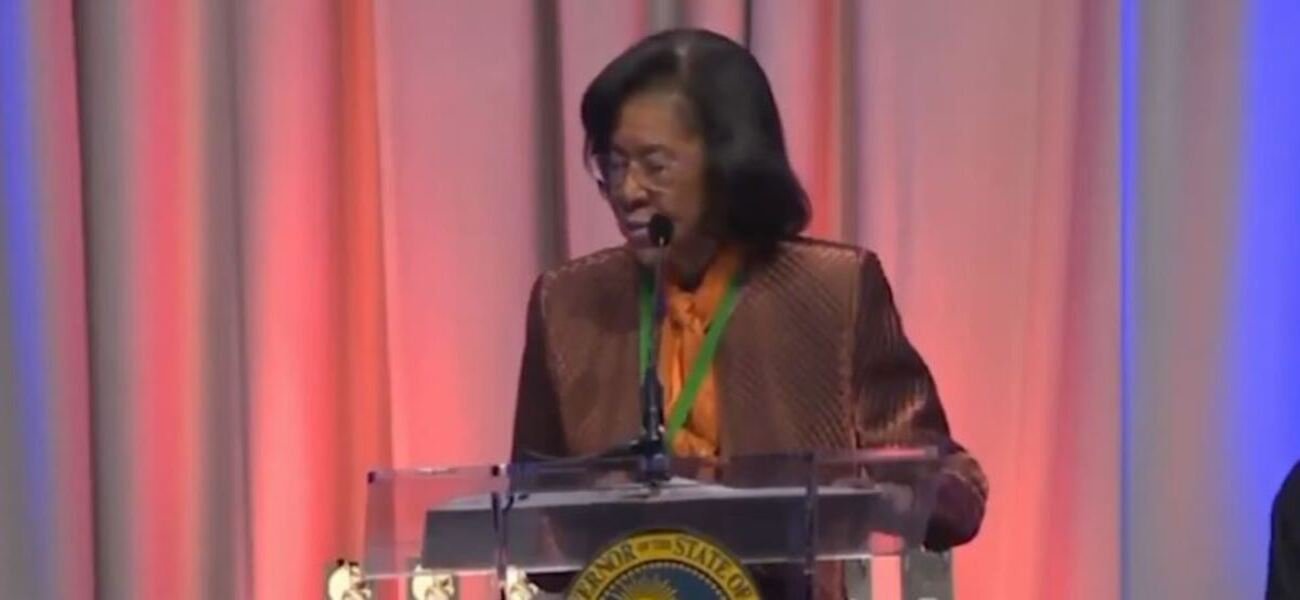
The first Black female television journalist in the West will be honored at Grace Cathedral starting at 11 a.m.
The Bay Area paused Monday to celebrate the life and legacy of Belva Davis, the pioneering journalist who broke barriers as the first Black female television journalist in the West. A public celebration of life took place at Grace Cathedral in San Francisco, beginning at 11 a.m., allowing the community to pay tribute to a woman who fundamentally changed the face of American journalism.
Davis died in September after a long illness at the age of 92, leaving behind a legacy that continues inspiring journalists and advocates for diversity in media. Her groundbreaking career spanned decades and positioned her as a role model for countless women and people of color who followed her path into broadcast journalism.
From print to television pioneer
Davis began her journalism career in print media, writing for publications including Jet Magazine, the Sun-Reporter and The Bay Area Independent. These early experiences provided the foundation for what would become a remarkable journey through the evolving landscape of American media. Her talent and determination eventually led her to transition into television at a time when newsrooms remained predominantly white and male.
Her move into broadcast journalism represented more than just a personal career advancement. Davis opened doors that had been firmly closed to Black women, demonstrating through her work that excellence in journalism had nothing to do with gender or race. By succeeding in an industry that had systematically excluded people who looked like her, she challenged assumptions and created opportunities for future generations.
A distinguished broadcast career
Davis worked at several local television stations throughout her extensive career, including an 18-year tenure at the NBC station in the Bay Area. This longevity at a major network affiliate during an era when Black female journalists remained rare speaks to both her exceptional abilities and her perseverance in an often unwelcoming environment. She navigated professional challenges that her white male colleagues never faced while maintaining the highest journalistic standards.
Her interview portfolio reads like a who’s who of 20th century cultural and political figures. Davis sat down with civil rights leader Martin Luther King Jr., Cuban revolutionary Fidel Castro and legendary entertainer Frank Sinatra, among countless other notable personalities. These interviews showcased her versatility as a journalist, demonstrating her ability to draw out meaningful insights from subjects across the ideological and cultural spectrum.
More than just a journalist
While Davis’s professional accomplishments remain impressive, her impact extends far beyond the stories she covered or the interviews she conducted. She became an icon who helped transform American journalism by proving that newsrooms needed diverse voices to adequately serve their communities. Her presence on television screens throughout the Bay Area showed young Black girls that they too could aspire to careers in journalism, even when the industry seemed designed to exclude them.
Davis navigated her career during a turbulent period in American history, covering civil rights movements, political upheavals and cultural transformations while dealing with discrimination within her own profession. She witnessed and reported on the changes sweeping through society while simultaneously working to change the industry from within. This dual role as both chronicler and change agent distinguishes her legacy from typical journalistic achievements.
A lasting influence
Today’s more diverse newsrooms owe a debt to pioneers like Davis who refused to accept exclusion as permanent. While journalism still struggles with representation issues, the progress that has been made traces back to trailblazers who proved through their excellence that diversity strengthens rather than weakens journalistic institutions. Davis’s career demonstrated that different perspectives and lived experiences enhance news coverage by bringing depth and nuance that homogeneous newsrooms cannot provide.
The public celebration at Grace Cathedral provided an opportunity for the Bay Area community to collectively honor someone who gave so much to the region through her journalism and advocacy. The choice of venue, one of San Francisco’s most iconic landmarks, reflected the esteem in which Davis was held throughout the community she served for so many years.
Remembering her legacy
As colleagues, admirers and community members gathered to remember Davis, they celebrated not just her professional achievements but also her role in expanding possibilities for those who came after her. Her life represented a testament to the power of perseverance and excellence in the face of systemic barriers. By breaking through obstacles that would have stopped many others, she created a path that made journalism more accessible and representative.
The celebration of life served as a reminder that progress requires individuals willing to be first, to face hostility and skepticism while maintaining their commitment to excellence. Davis embodied these qualities throughout her career, leaving behind a legacy that continues inspiring journalists who understand that their work serves not just their audiences but also future generations seeking to follow in their footsteps.