




B.Slade on ‘Living Proof’ & using music to fight HIV stigma
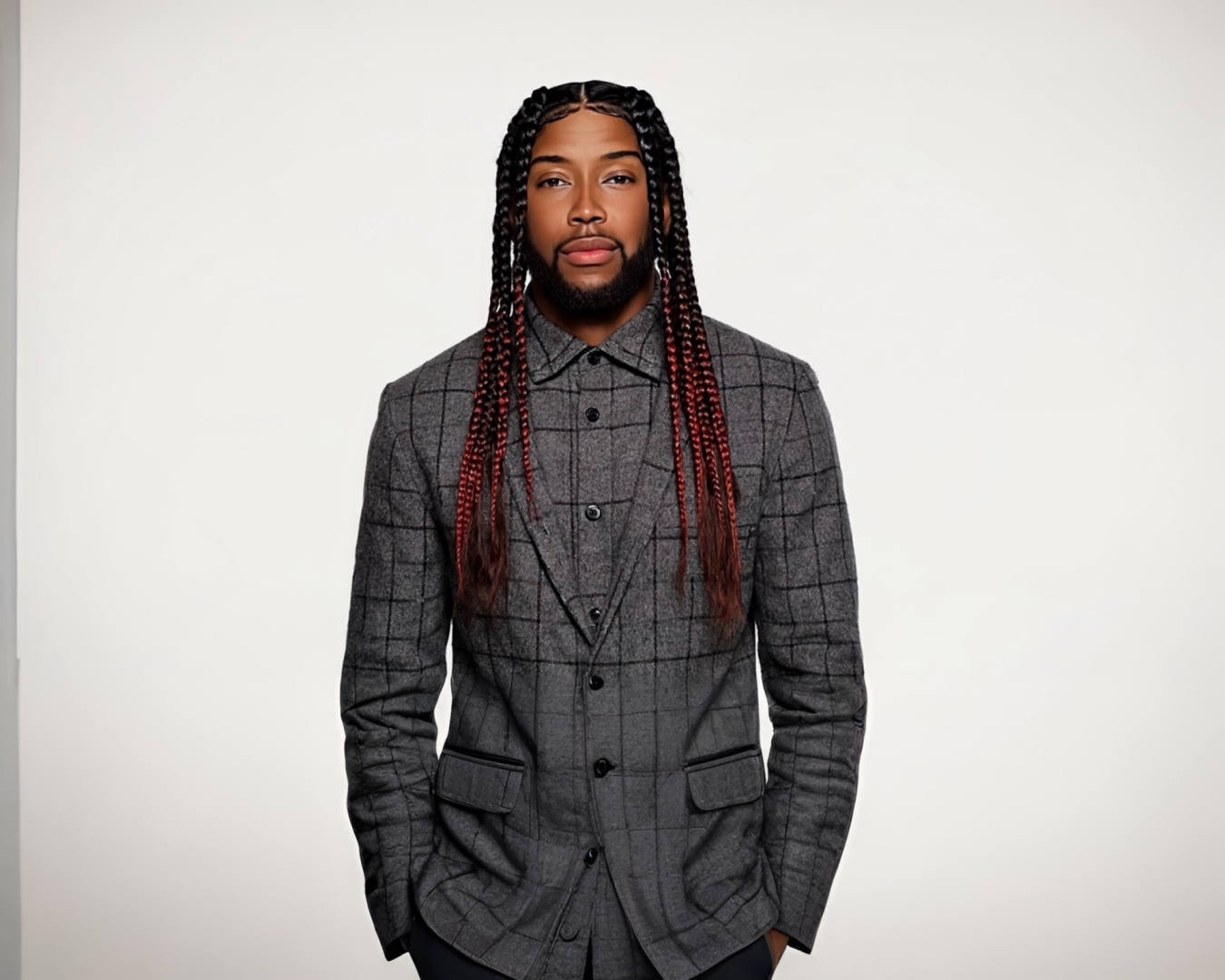
The Emmy-nominated composer reveals how he crafted the sonic identity for the groundbreaking documentary about Black women living with HIV
When B.Slade first heard about Living Proof, he knew one thing immediately, it needed to sound green. Not literally, but emotionally, the color of life, growth, and resilience. The Emmy-nominated composer, who has shaped sounds for icons like Janet Jackson, Patti LaBelle, and Chaka Khan, brought that intuition to the Hulu documentary that premiered December 1st on World AIDS Day.
As music supervisor, original score composer, and mix/master engineer, he didn’t just create background music. He built a sonic testimony for Freda Jones and Kennedi Lowman, co-founders of LOTUS (Loving Ourselves Through Unity and Strength), an Atlanta organization empowering Black women living with HIV. For B.Slade, this wasn’t just another project. It was a chance to use music as what he calls “a language of survival,” transforming statistics into heartbeats and stigma into understanding.
This film premiered during World AIDS Day. What does it mean to lend your artistry to a narrative that directly confronts stigma, especially in the South, and especially among Black women?
I feel like me being involved is my way of educating. People are destroyed for a lack of knowledge. Information keeps you strong, what you don’t know will hurt you bad. How do I help make more people become more aware of something that they may not want to talk about? Once again, here comes that gel cap, here comes that creative muse, here comes that architecture, here comes that fashion, here comes that poetry, here comes that dance, here comes that filmmaking, here comes that photography.
I feel like these contributions of everyone involved from a creative space will stop a lot of the stigma, because it’s presented so beautifully in humanity. You only hear about them because it’s statistics, right? So you just think, oh, this person has this, this is a number of someone who is a part of a statistic.
Until this movie broke down, that statistic has a heartbeat, a community, a family, loved ones, friends, cousins. They’ve been through some things. And maybe we’ll all open our minds up a little bit more to get past the stigma of what we think HIV and AIDS means, who it’s only supposed to be exclusively for, and say it affects us all. And if one of us is affected, then we all are affected.
From your perspective, what role does music play in reshaping public understanding around HIV beyond statistics and headlines?
TLC were the pioneers, once again, Black women. Had it not been for Salt-N-Pepa, who were also talking about, “let’s talk about sex, baby, let’s talk about you and me, let’s talk about all the good things and the bad things,” those conversations without Black women in hip-hop. They’re the ones who say, hey, we need to talk about this. I know we’re talking around it, but are we actually, as a community, addressing these things?
Then here comes TLC. They are pro, hey, you need protection. Pro, you need to think about what you’re doing. They’re wearing condoms on their eyes, their shades, and as a part of their costumes, they are boldly saying, hey, take care of yourself. Be creative, but don’t be stupid. Be creative, but don’t be ignorant to the rest of the world around you. Be creative, use your dance, use your skills, rap, sing, and everything, but don’t be so caught up in that you’re not paying attention to your body’s health, and the person who you are about to be involved with. We all look safe. We all look okay. We can’t go by looks.
If we went by looks, that’s where the stigma is stemming from as it is. They think it’s a look. It’s not a look. It has no face, it has no color. It has no sexual preference. This is a problem. So, I just feel like this particular project is gonna be groundbreaking for more to come, and there are more stories that need to be told.
Kennedi talked about this in the documentary. She says if more celebrities would get involved with the message, they could do a lot more. It could move a lot faster and move forward a lot sooner if more people with the platform in studios, in film, on television that have the pull, that have the influence, can use that influence to raise awareness. I’m one of them, but we need so much more. To answer your question, we need more people being involved with projects like this, lending their gift, lending their insight, their heart, their humanity to this issue.
What role does music like TLC’s “Waterfalls” play in reshaping public understanding around HIV?
“Waterfalls” was groundbreaking. They talked about HIV. They talked about things that weren’t on pop radio and hip-hop radio at the time. You looked and you saw all those different pictures. She looked fine, but there were so many different people that, and then however many people those many people were with that they don’t even know that they were with. The domino effect of just one partner has so many other attachments to it that are insurmountable.
That’s why testing is important. I was just tested, and it’s not like, oh, well, that’s their thing, or that’s what, no, it doesn’t matter if you’re famous, not famous, Black, white, or rich, you need to know. Knowledge is power, and it’s scary. I know some people just don’t want to know, but then now you’re putting yourself and other people at risk.
What conversations do you hope this documentary and your score spark in Black households, faith spaces, and creative circles?
I hope it sparks honest conversations about testing, about awareness, about removing the stigma. This isn’t just about entertainment, it’s edutainment. Yes, we are educated, there’s an entertaining aspect, you see their personalities. But I can attach all the things God gave me to something like this when it shows that type of humanity, and we need more content showcasing Black women in this way.
Thank you, Freda. Thank you, Kennedi. Thank you, LOTUS. Thank you, Sheryl Lee Ralph, for using her celebrity and her power to bring attention to this. Zeb, the director, is the moment. Norman Lee, an incredible executive producer. Little did I know, my own life would be affected for the better by hearing these two ladies’ stories. I’m so proud of them.
Living Proof is now streaming on Hulu. The stories of Freda Jones and Kennedi Lowman are waiting to challenge what you think you know about HIV. And when you’re done watching, do what B.Slade did, get tested. Your status is information, and information, as he reminds us, keeps you strong.