



Why you feel dizzy after eating certain foods

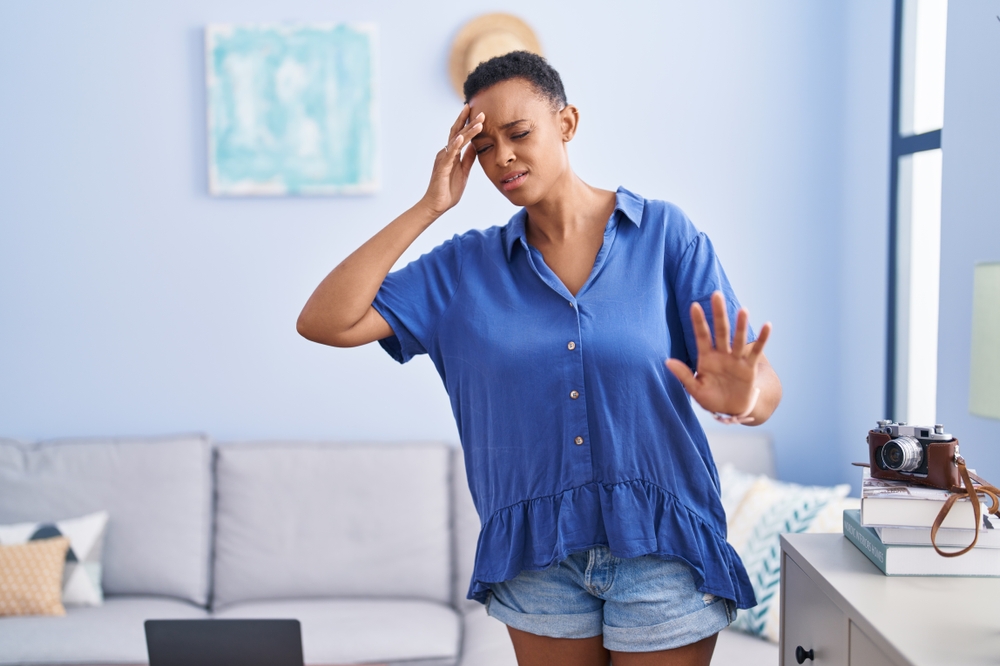
Dizziness after eating can result from medical conditions like postprandial hypotension or nondiabetic hypoglycemia, or from sensitivity to specific foods
Many people experience lightheadedness before meals due to low blood sugar, which can lead to symptoms such as blurred vision or exhaustion when hungry. While less common, dizziness occurring after eating can result from certain medical conditions or reactions to particular foods. Sometimes simply standing up quickly after a long meal can lead to sudden shifts in blood flow, causing temporary lightheadedness.
Postprandial hypotension
This condition occurs when blood gets redirected to the stomach and intestines during digestion, reducing circulation to other body parts. The heart compensates by increasing its rate to pump blood throughout the body while blood vessels narrow. These changes can trigger lightheadedness following meals. Roughly one-third of older adults experience this phenomenon.
Beyond lightheadedness, people with this condition may develop chest discomfort, fainting episodes, nausea or vision changes. In uncommon instances, the condition can contribute to minor strokes known as transient ischemic attacks. While no definitive cure exists, lifestyle modifications and dietary adjustments can help minimize episodes.
Nondiabetic hypoglycemia
This uncommon condition can trigger lightheadedness after meals due to rapid drops in blood sugar. Some individuals experience reactive hypoglycemia, where glucose levels decline rather than rise following food consumption. The exact mechanism remains unclear, though certain foods may prompt excessive insulin release, causing blood sugar to plummet. Insulin functions as the hormone that lowers glucose by enabling cells to absorb it for energy.
Additional symptoms include confusion, headaches, anxiety, excessive sleepiness, hunger, irritability, shakiness and sweating. Treatment approaches range from surgery to medication, though dietary modifications can help stabilize glucose levels. Medical professionals recommend frequent glucose monitoring after meals and consuming light snacks when needed.
Diet-triggered dizziness
Certain foods themselves can provoke temporary or ongoing lightheadedness. Some items are associated with migraines, which commonly feature dizziness as a symptom. Foods that may trigger migraines include alcohol, chocolate, dairy products, items containing monosodium glutamate, fermented foods and nuts.
Caffeinated beverages like coffee or soda may contribute to lightheadedness since individual caffeine tolerance varies significantly. As a stimulant, caffeine elevates heart rate. People with cardiac concerns or elderly individuals may struggle to tolerate these cardiovascular changes, resulting in dizziness. Those with vertigo or Ménière’s disease may experience intensified symptoms after consuming such items. High-sodium foods, alcohol and other specific products may worsen migraine conditions.
When to seek medical attention
Contact emergency services or visit the nearest medical facility if experiencing chest discomfort, confusion or cognitive changes. Dizziness elevates fall and accident risks, making it important to obtain medical evaluation for persistent post-meal episodes to determine the cause and receive appropriate care. Immediate medical attention is essential when chest pain accompanies dizziness after eating.
Dietary recommendations
Treatment depends on identifying the underlying cause, making professional medical evaluation crucial before adopting any approach. For postprandial hypotension, helpful measures include choosing foods that digest slowly, such as whole grains, fruits and vegetables. Limit high-sugar and refined carbohydrate options like white bread, white rice and potatoes, as these digest rapidly and may increase risk.
Drink adequate water, especially before meals. Consuming one or two glasses can boost blood volume and reduce low blood pressure risk. Eat smaller portions throughout the day to decrease digestive system burden and lower post-meal dizziness likelihood. Avoid standing suddenly within an hour after eating, as this represents a critical window for symptoms. Stay away from potential triggers including caffeine, alcohol and high-sodium items.
If food allergies or sensitivities cause symptoms, avoid those specific items. Consult a doctor about an elimination diet to identify exact triggers if uncertain which foods create problems.


