



Anthony Davis Returns for Lakers Battle Fueled by Emotions


The star power forward returns from a month-long calf strain absence to face his former team for the first time since being traded to Dallas, with playoff implications hanging in the balance
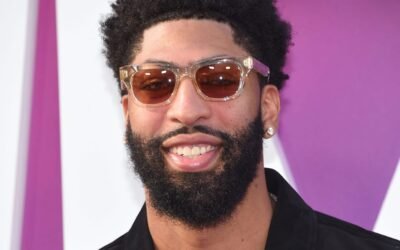
Sometimes the most meaningful returns in sports aren’t just about a player getting back on the court. They’re about what that player represents to the team he left behind and what his presence means to the team he now calls home. Friday night in Los Angeles, Anthony Davis is coming back from a month-long calf strain injury to face the Lakers his former team, the organization that drafted him, the franchise that he helped define before being traded away in a blockbuster deal that sent superstar Luka Doncic to Dallas.
It’s a reunion loaded with narrative complexity. Davis has been sidelined since October 29, watching his new team from the sideline while trying to mentally prepare for his return. He originally targeted November 8 against the Washington Wizards as his comeback date, but Mavericks governor Patrick Dumont and health director Johann Bilsborough weren’t satisfied with the recovery timeline. They wanted medical data confirming Davis wasn’t at risk of aggravating the injury. They wanted certainty before clearing him. They wanted to be sure.
That caution paid off. Now Davis is healthy enough to return, and the Lakers the team that knows him better than anyone will be his first opponent. The basketball gods have a sense of timing.
When a trade becomes a homecoming
Here’s the context that makes this reunion genuinely significant: Davis was traded to Dallas in February as part of the package exchanged for Luka Doncic. That’s not a simple trade. That’s a franchise-altering decision. That’s Dallas saying: “We’re reimagining our future around Doncic, and Davis is a crucial piece of making that happen.”
For the Lakers, trading Davis represented acknowledging that their championship window had closed. For Davis, it represented a chance at a fresh start with a younger franchise trying to build something special. He left Los Angeles as a two-time champion with one of the greatest individual seasons in modern basketball history. He’s returning as a visitor a former star coming back to the place that made him famous.
That’s the stuff that makes Friday night more than just another game.
The cautious medical team that won the trust
What’s interesting about how Dallas handled Davis’ return is the organizational discipline. They had a return date planned. They were ready to activate him. Then Dumont and Bilsborough looked at the medical data and said: “Not yet.” That’s not the easiest decision for a franchise desperate to add star power to their rotation. That’s the kind of decision that shows patience and organizational maturity.
Bilsborough’s insistence on data-driven clearance isn’t just medical caution. It’s organizational philosophy. It says: “We’re not going to risk our superstar to rush back from injury.” It says: “We have the discipline to wait for certainty.” It says: “Davis’ long-term health matters more than one game in November.”
Now, roughly a week later, the data shows Davis is healthy. The risk of aggravation has diminished. The medical team is confident. And Davis is ready.
After Wednesday’s practice, Davis spoke to reporters about his impending return: “You know what game I want to play. But we’ll see.” That’s a player who understands exactly what this moment means. That’s someone who knows the Lakers game carries extra weight. That’s a star who’s mentally prepared for the emotional complexity of facing his former team.
The back-to-back strategy that tells a story
The plan now is for Davis to sit out Saturday’s game against the LA Clippers a relatively easy opponent and save his energy for the Lakers on Friday and potentially Monday’s road game against the Denver Nuggets. That scheduling is intentional. That’s Dallas managing his workload while prioritizing marquee matchups.
Sitting out the Clippers game against a second-round opponent is the smart basketball move. It’s also the move that shows Davis and the Mavericks understand what games matter. The Lakers are a bigger test. The Nuggets are a championship-caliber team. Facing those opponents with Davis healthy is more important than taking a risk against the Clippers.
“You know what game I want to play,” Davis said with a knowing smile. He wants the Lakers. He wants to show what he can do against his former team. He wants the homecoming narrative to be about his performance, not about his absence or injury recovery.
The organizational chaos that makes his return complicated
Davis returns 17 days after the Mavericks fired general manager Nico Harrison a seismic organizational moment that suggests deeper issues within the Dallas front office. He also returns amid speculation that Dallas will explore the trade market for him before the early February deadline, which is essentially the NBA’s way of saying: “We might trade you soon, so settle in.”
That’s not ideal. That’s not the kind of stability that typically maximizes player performance. That’s the kind of organizational dysfunction that makes stars wonder if they made the right choice in their new home.
But Davis handled it with maturity: “That doesn’t affect me, I’ve been in trade talks for a while. My job is to do what I do when I’m on the floor, play basketball and try to lead this team. Whatever comes out of that, comes out of that. I don’t have really any control over that, but I do have an open line of communication with the front office, and I’m just ready to get back on the floor.”
That’s not someone panicking. That’s not someone letting organizational uncertainty derail his focus. That’s a pro understanding that he can only control his own performance. Everything else trades, front office decisions, organizational direction is beyond his immediate influence.
What his return means for the Mavericks
Dallas is a good basketball team, but they’ve been missing a true perimeter defender and frontcourt presence with Davis sidelined. They have Luka Doncic playing at an MVP-caliber level. They have complementary pieces trying to compete. But they don’t have that second star option that separates contenders from pretenders.
Davis represents that second-star possibility. He represents the organizational belief that Doncic and Davis together can genuinely compete in the Western Conference. He represents Dallas’ championship aspirations becoming concrete rather than theoretical.
But he also represents risk. Another injury. Another month on the sideline. Another question about whether this trade actually accomplished what Dallas hoped. The Mavericks bet their future on this pairing, and everything hinges on Davis staying healthy and producing at a star level.
What his return means for the Lakers
For Los Angeles, seeing Davis in a Mavericks uniform for the first time is going to be weird. He spent years building their franchise. He was central to their championship run. He was a pillar of their organization. Now he’s the opposition.
The Lakers will want to prove they made the right decision trading him. They’ll want to show they didn’t miss him. But basketball doesn’t work that way. Stars have impact. Davis will have an impact Friday night either through dominant performance or through his mere presence on the court creating defensive adjustments for the Lakers.
Either way, Friday night is about more than just wins and losses. It’s about a star returning home as a visitor. It’s about organizational decisions playing out on the basketball court. It’s about narrative and context and all the stuff that makes sports meaningful beyond the final score.


