






What makes arthritis worse as you age past 65

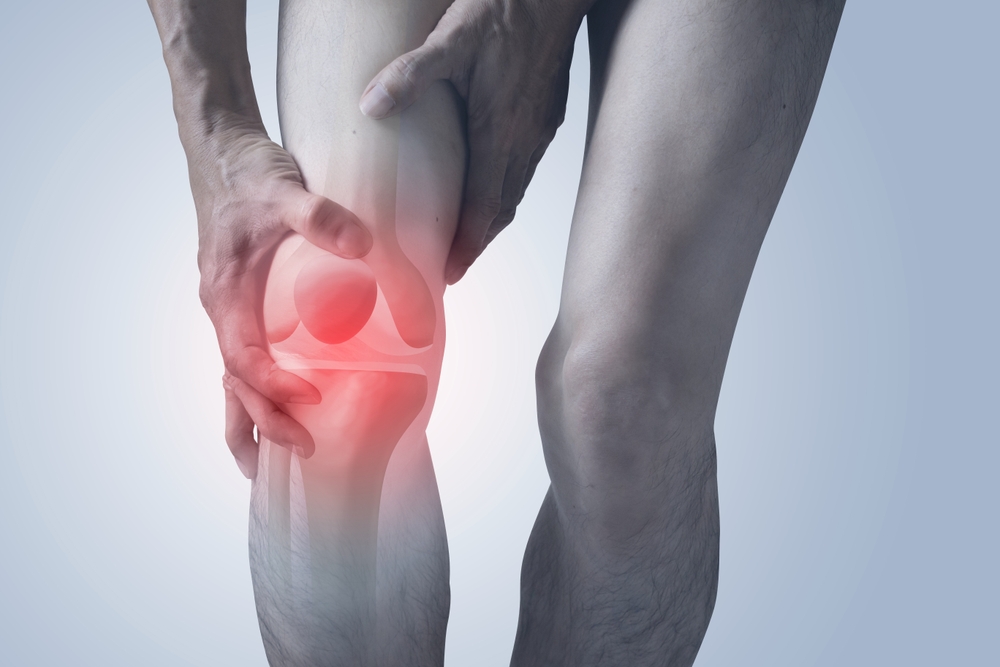
The painful joint condition intensifies after retirement age due to cartilage breakdown, inflammation and lifestyle changes
Arthritis doesn’t simply maintain a steady level of discomfort as people grow older. The condition actively worsens after 65, transforming from manageable aches into debilitating pain that significantly impacts daily life. Understanding the mechanisms behind this deterioration helps explain why so many seniors struggle with mobility and independence.
The progression isn’t random or unpredictable. Specific biological changes occur in aging bodies that directly accelerate joint damage and inflammation. Combined with lifestyle factors that often accompany retirement age, arthritis becomes an increasingly formidable opponent for those navigating their later years.
Cartilage breaks down faster than it rebuilds
Cartilage serves as the cushioning material between bones in joints, allowing smooth movement without painful friction. Throughout life, the body continuously breaks down and rebuilds this essential tissue. However, after 65, the balance shifts dramatically.
The rebuilding process slows considerably while breakdown continues at the same rate or even accelerates. This imbalance means cartilage gradually thins and deteriorates, leaving less protection between bones. Eventually, bones begin rubbing directly against each other, creating the grinding sensation and severe pain that characterizes advanced arthritis.
The thinning happens unevenly across different joints. Weight-bearing areas like knees, hips and spine typically show the most dramatic deterioration because they’ve endured decades of constant pressure and movement. Hands and fingers also suffer significantly, particularly in people who’ve performed repetitive motions throughout their careers.
Inflammation becomes chronic and widespread
Aging immune systems behave differently than younger ones. They tend to maintain higher baseline levels of inflammation throughout the body, even without obvious infection or injury. This persistent low-grade inflammation affects joints particularly severely.
The inflamed tissue surrounding joints becomes swollen and tender, restricting movement and causing pain even during rest. Morning stiffness lasts longer, and joints feel warm to the touch during flare-ups. The inflammation also damages surrounding structures including ligaments, tendons and muscles that support joint stability.
Inflammation creates a vicious cycle. Damaged cartilage releases particles that trigger immune responses, causing more inflammation. That inflammation then damages more cartilage, perpetuating the destructive process. Breaking this cycle becomes increasingly difficult as the body ages and healing mechanisms slow down.
Bone density decreases substantially
Bones naturally lose density after middle age, becoming more porous and fragile. This process, called osteopenia when mild and osteoporosis when severe, affects how joints function and feel. Weaker bones can’t support body weight as effectively, placing additional stress on already compromised cartilage.
The bone loss also changes joint alignment. As bones become less robust, they may shift slightly out of their optimal positions. These subtle misalignments force cartilage to bear weight unevenly, accelerating wear in specific spots while leaving other areas relatively intact.
Bone spurs frequently develop along joint edges as the body attempts to stabilize weakened areas. These bony projections limit range of motion and create additional points of painful contact. They often feel like sharp catches or locks during movement.
Muscle mass diminishes rapidly
Muscles surrounding joints provide crucial support and stability. They absorb shock, control movement and reduce stress on cartilage and bones. Unfortunately, muscle mass naturally declines with age, a condition called sarcopenia that accelerates dramatically after 65.
Weaker muscles can’t protect joints as effectively. Simple activities like climbing stairs or standing from a seated position place greater strain on knees and hips when supporting muscles have atrophied. The joints themselves must absorb forces that muscles previously handled.
Reduced muscle strength also affects balance and coordination. People with weak leg muscles are more likely to experience awkward movements or near-falls that jar joints and accelerate cartilage damage. The instability creates additional opportunities for injury.
Activity levels often drop significantly
Many people reduce physical activity after 65, either due to retirement, fatigue or fear of worsening joint pain. However, decreased movement actually accelerates arthritis progression. Joints need regular motion to maintain health and function.
Movement pumps nutrients into cartilage and removes waste products. Without adequate activity, cartilage becomes malnourished and degenerates faster. The surrounding tissues also stiffen when left immobile for extended periods, making eventual movement more painful and difficult.
Weight gain frequently accompanies reduced activity. Extra pounds place additional stress on weight-bearing joints, particularly knees and hips. Each pound of body weight translates to multiple pounds of pressure on these joints during walking or standing.
Accumulated damage takes its toll
Joints at 65 have endured decades of use. Sports injuries from youth, workplace repetitive motions, previous accidents and years of compensating for other body problems all contribute to cumulative damage. This wear and tear becomes increasingly apparent as the body’s repair mechanisms slow down.
Previous injuries that seemed fully healed often return to cause problems. Old fractures near joints may have altered bone alignment in ways that weren’t noticeable when younger but now accelerate arthritis. Ligament tears that occurred years earlier may have left joints slightly unstable, promoting uneven cartilage wear.
Understanding these factors helps explain why arthritis becomes such a significant challenge after 65 and why proactive management becomes increasingly important with each passing year.