

Mississippi Lifetime Voting Ban Upheld During Federal Court Ruling
July 19, 2024
Mississippi’s lifetime voting ban for convicted felons officially upheld by a recent ruling made by the Fifth Circuit Court of Appeals.
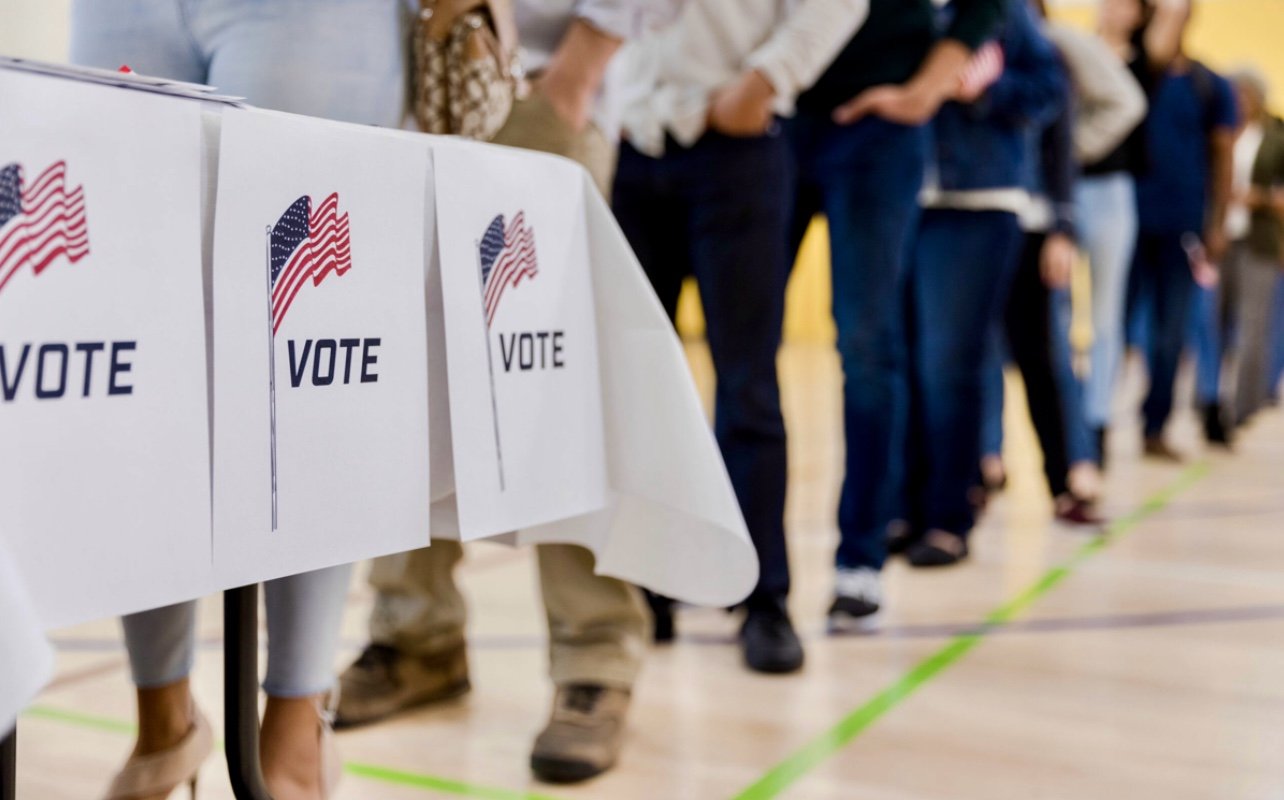
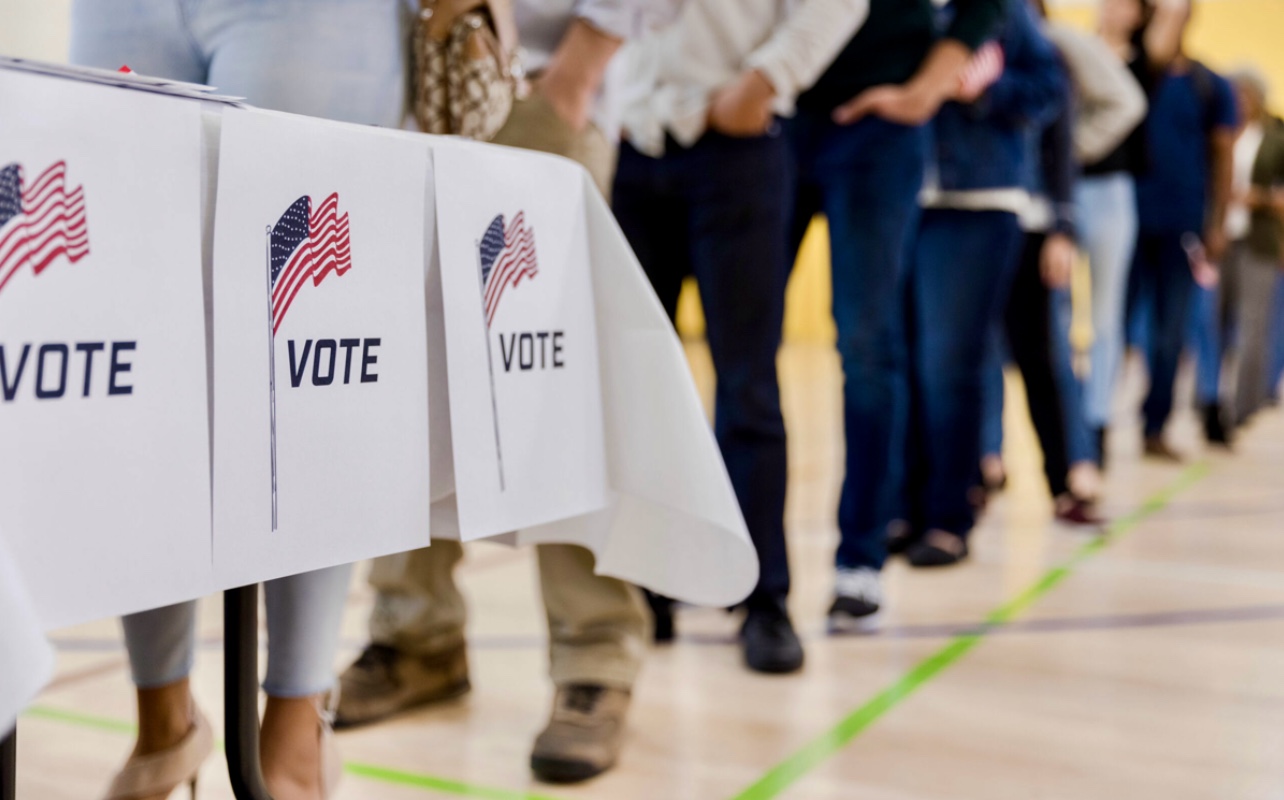
Tens of thousands of Mississippi residents will continue to be affected by a lifetime voting ban on those with felony convictions.
On July 18, the Fifth Circuit Court of Appeals overturned a 2023 ruling dismantling Mississippi’s harsh lifetime voting ban. As the nation’s most conservative federal appeals court, civil rights advocates knew the moment could happen despite a shock ruling made by a three-judge panel that deemed the no voting for life penalty as a “cruel and unusual punishment.”
In a 13 to 6 decision, the Fifth Circuit, which consists of judges mainly voted in by members of the Republican party, determined that the claims of cruel and unusual punishment made during the previous three-panel judge ruling were not true.
“In short, ‘cruel and unusual’ is not the same as ‘harmful and unfair,’” wrote Judge Edith Jones of the majority side’s decision. “The matter should be decided by the legislature, not a court.”
All six of the dissenting judges in the ruling were selected by Democratic presidents. However, twelve of the 13 judges included in the majority were chosen by Republicans except Biden nominee Judge Irma Carrillo.
“Voting is the lifeblood of our democracy and the deprivation of the right to vote saps citizens of the ability to have a say in how and by whom they are governed,” said Judge James Dennis in his dissent. “Denying released offenders the right to vote takes away their full dignity as citizens, separates them from the rest of their community, and reduces them to ‘other’ status.”
With a rich history of racial injustice toward Black people, Mississippi’s lifetime voting ban first went into effect during the inception of the state’s 1890 constitution. When written by delegates that summer, it was made known that the goal was to limit Black political power.
The right to vote would be lost by Mississippi citizens who were convicted of certain felonies. The list featured crimes that the drafters thought “Black residents were most likely to be convicted” of. In the since amended list, 23 crimes are listed, including theft, perjury, carjacking, and murder.
“We’re living in the community, driving on the streets, working our jobs—but our voice isn’t heard,” said Cornelius Clayton, a Mississippi resident who lost his voting rights in 2007 over a conviction for theft during a 2023 interview with Bolts. He hasn’t voted since.
Currently, no public record accurately states the number of people affected by Mississippi’s lifetime voting ban. However, one report says that roughly 50,000 people were disenfranchised from 1994 to 2017.
“We know this is all about POWER,” Jarrius Adams, an advocate at the nonprofit Mississippi Votes, wrote in a statement. “African Americans make up 36 percent of Mississippi’s voting-age population but nearly 60 percent of its disenfranchised individuals.”
“Imagine if just half of those folks could vote,” he continued. “Our elections and elected officials would look much different.”
In Mississippi, for a person to regain the right to vote, state legislatures would have to create a law that specifically caters to that individual. In 2024, only 16 people had their voting rights restored through this process.
States like Virginia, Tennessee, and Nebraska have passed harsher laws regarding disenfranchisement in recent years, while places like Maine, Vermont, and Washington, D.C., never strip their citizens of the right to vote.
The recent Fifth Circuit Court’s ruling on stripping convicted felons of their right to vote in Mississippi follows news that former President Donald Trump is the official nominee for the Republic Party during the 2024 Presidential Election. In May, he became the first former American president to be convicted of felony charges when a New York jury found him guilty of all 34 charges in a scheme to illegally influence the 2016 election by paying “hush money” to porn actor Stormy Daniels.
RELATED CONTENT: Judges Order Mississippi Legislature To Create More Black Districts Amid Attempts To Diminish Black Voting Power


