




9 critical facts about Diet Coke everyone should know

The sugar-free beverage offers benefits but comes with potential health concerns that deserve attention
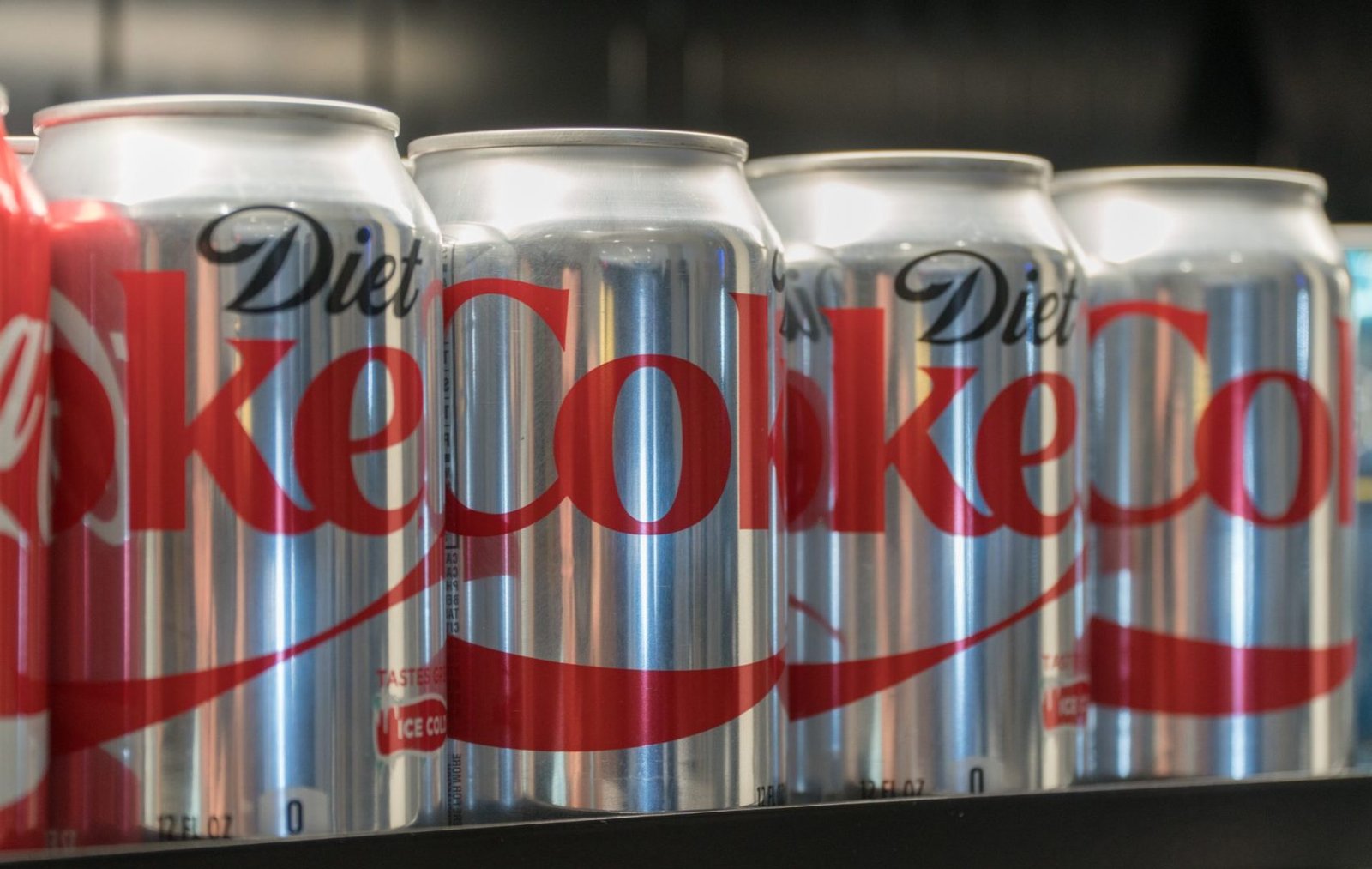
The familiar red can has become a staple in refrigerators across America, promising the sweet taste of soda without the sugar or calories. Diet Coke appeals to millions who want to enjoy a fizzy drink while watching their waistline or managing blood sugar levels. Yet beneath the zero-calorie label lies a more complex story about how artificial sweeteners affect the body over time.
1. The blood sugar advantage comes with questions
Diet Coke contains no sugar, which means it doesn’t cause the immediate blood glucose spikes associated with regular soda. This makes it attractive for people monitoring their blood sugar or trying to reduce calorie intake. Aspartame, the primary artificial sweetener in Diet Coke, passes through the digestive system without raising blood sugar in the short term.
However, emerging research suggests the long-term picture may be more complicated. The body’s relationship with artificial sweeteners involves metabolic pathways that scientists are still working to fully understand, and some findings indicate these sugar substitutes might influence how cells respond to insulin over extended periods.
2. Insulin resistance may develop over time
While artificial sweeteners don’t trigger immediate insulin responses like sugar does, regular consumption might affect insulin sensitivity differently. Research from 2020 examining individuals with type 2 diabetes found that those who frequently consumed artificial sweeteners showed higher levels of insulin resistance compared to those who avoided them.
This matters because insulin resistance makes blood sugar management more challenging. When cells become less responsive to insulin, the body struggles to regulate glucose effectively, potentially creating a cascade of metabolic issues that complicate overall health management.
3. Mental health connections raise concerns
Studies have identified potential links between artificial sweetener consumption and mood disturbances. Some research indicates that regular intake may correlate with increased irritability and a heightened risk of depression. The mechanisms behind these connections remain under investigation, but the findings suggest that what happens in the gut and brain may be more interconnected than previously understood.
4. Cognitive function may decline faster
Long-term consumption patterns have been associated with accelerated cognitive decline in some studies. The brain’s complex chemistry responds to what enters the body, and artificial sweeteners appear to interact with neurological processes in ways that researchers continue exploring. These findings emphasize the importance of considering how daily beverage choices might affect mental sharpness over decades.
5. Heart disease risk shows potential elevation
Evidence suggests that high intake of artificial sweeteners may increase cardiovascular disease risk. The heart and circulatory system respond to various dietary components, and the body’s processing of artificial sweeteners might influence cardiovascular health through multiple pathways, including inflammation and metabolic changes that affect blood vessels and heart function.
6. Weight management results vary widely
Despite being calorie-free, Diet Coke’s role in weight control remains controversial. Some research associates artificial sweetener consumption with weight gain, while other studies find no such connection. The paradox may relate to how these sweeteners influence appetite, food choices and metabolic rate in ways that differ from person to person.
7. Cancer classification sparks debate
The World Health Organization has placed aspartame in the category of substances that are possibly carcinogenic to humans. This classification considers available evidence but doesn’t establish definitive proof of cancer risk. Regulatory agencies maintain that aspartame remains safe at typical consumption levels, though the classification has prompted ongoing scrutiny and research.
8. Diabetes complications may worsen
For people already managing diabetes, regular diet soda consumption has been linked to worsening complications. Research indicates connections to increased diabetic retinopathy risk and higher A1C levels, suggesting that even sugar-free options may not be neutral in their effects on diabetic health. These findings challenge the assumption that artificial sweeteners provide a completely safe alternative for people with diabetes.
9. Gut bacteria balance shifts unexpectedly
The microbiome plays crucial roles in digestion, immune function and metabolic health. Artificial sweeteners can alter the composition and balance of gut bacteria, potentially affecting how the body processes nutrients and manages blood sugar. Additionally, despite containing no sugar, diet soda may paradoxically trigger cravings for sweet foods. Research indicates that reducing artificial sweetener intake can decrease sugar cravings within just one week.
Making informed choices
Diet Coke offers a calorie-free option for occasional enjoyment, but moderation remains essential. Those concerned about potential health effects might consider alternatives like plain water, sparkling water or unsweetened tea. Understanding both benefits and risks allows for more informed decisions about daily beverage choices and their long-term health implications.