




8 Democrats defy Chuck Schumer in fury over shutdown deal

The Senate minority leader is facing intense criticism from his own party after several Democrats broke ranks to end the historic 40-day government shutdown
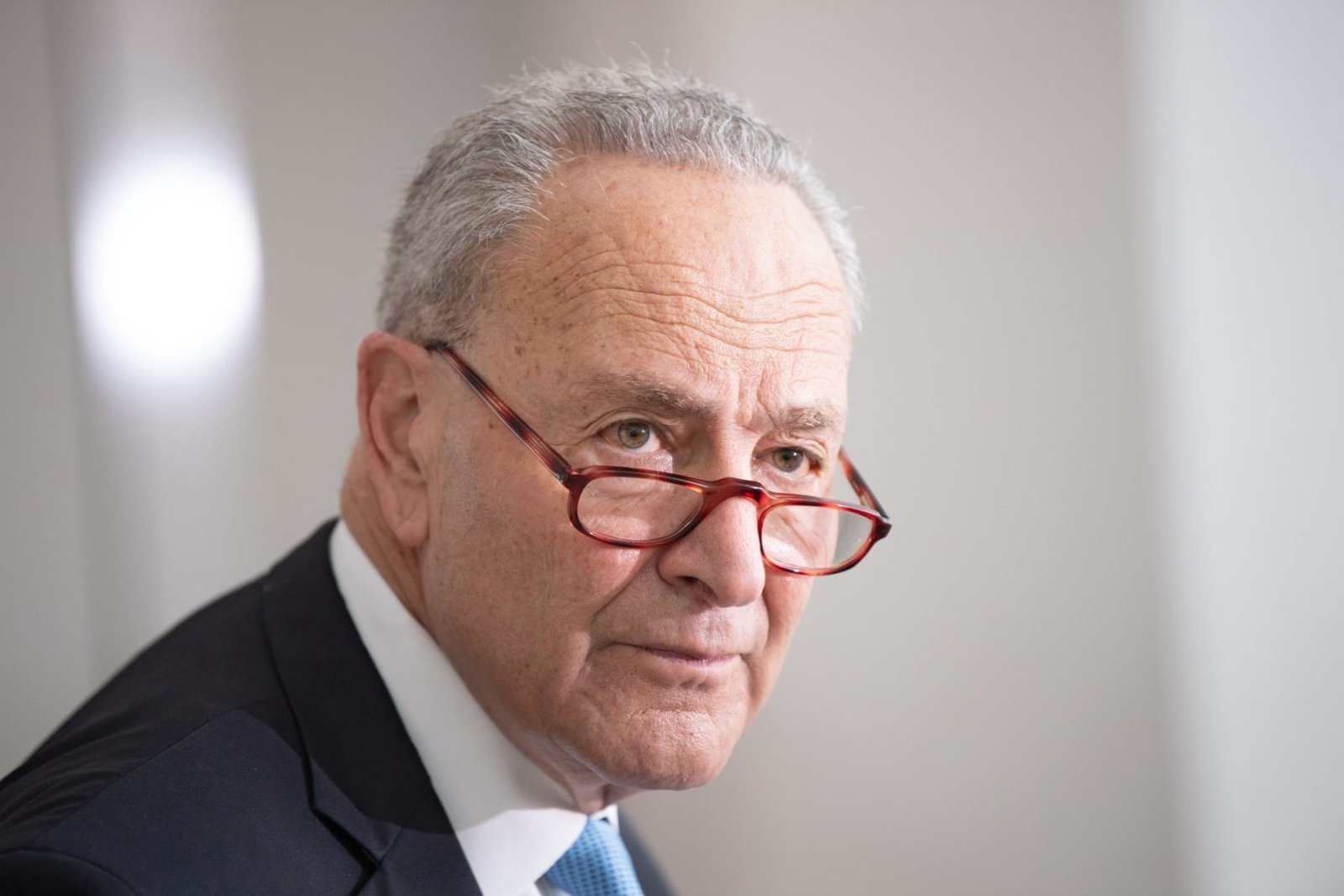
Chuck Schumer is experiencing one of the most challenging moments of his political career as members of his own party openly question his leadership. The Senate minority leader found himself on the losing side Sunday when eight Democratic caucus members joined Republicans to advance a deal ending the unprecedented 40-day government shutdown, despite his vocal opposition to the agreement.
The defection represents a significant blow to Schumer’s authority within the party. Among those who crossed the aisle were seven Democratic senators and one independent who typically aligns with Democrats. Their votes provided the crucial support needed to reach the 60-vote threshold required for passage, leaving Schumer isolated even as he argued against the deal.
The 40-day crisis that changed everything
The shutdown had already earned the distinction of being the longest in American history, creating widespread disruption across the nation. Airlines were forced to cancel flights, federal workers went weeks without paychecks and food assistance programs became caught up in legal battles over funding. The situation had become so dire that more than two dozen states issued warnings about what they described as potentially catastrophic operational disruptions.
At the heart of Democratic opposition was the deal’s failure to address enhanced Affordable Care Act tax credits set to expire on January 1. These subsidies help millions of Americans afford health insurance, and Democrats had made their extension a central demand. Instead, the agreement only included Republican promises to hold a vote on the expiring healthcare subsidies by mid-December, a commitment many Democrats found insufficient.
Growing tensions within Democratic leadership
This isn’t the first time Schumer has faced internal party criticism this year. Back in March, he drew fire for supporting a Republican-led continuing resolution that included no restrictions on President Donald Trump or efforts by Elon Musk to restructure federal agencies. That decision created lingering doubts among party members about his willingness to stand firm against Republican proposals.
Before Sunday’s vote, Schumer attempted to rally opposition, describing the situation as a Republican-made healthcare crisis too severe and devastating for American families to ignore. He announced his intention to vote against the continuing resolution, emphasizing that the urgency of the healthcare situation demanded more than empty promises.
Calls for new leadership emerge
The backlash was swift and public. California Representative Ro Khanna didn’t mince words, stating that Schumer was no longer effective and should be replaced. He questioned what the minority leader would fight for if he couldn’t unite the party against healthcare premium increases for Americans.
New York Representative Alexandria Ocasio-Cortez also weighed in, emphasizing that holding the line wasn’t about appealing to a political base but about protecting people’s lives. She stressed that working Americans want leaders whose word carries weight and meaning. The criticism carries extra significance given ongoing speculation about whether Ocasio-Cortez might challenge Schumer in the 2028 Democratic primary.
Massachusetts Representative Seth Moulton, who has expressed interest in a Senate run, joined the chorus calling for fresh leadership. He characterized the vote as another example demonstrating the need for change, arguing that an effective leader would have successfully united the caucus in opposition.
Questions about strategy and tactics
Political observers noted what they saw as problematic optics in how the vote unfolded. Some suggested that retiring Democratic senators were being allowed to take political heat for voting yes while others voted no, creating the appearance of a coordinated strategy designed to provide cover for leadership while still letting the deal advance.
The situation highlights deepening fractures within the Democratic Party as it prepares for next year’s midterm elections. Whether Schumer can rebuild trust and unity within his caucus remains an open question, particularly as the party faces crucial decisions about its legislative strategy and political positioning going forward.
The shutdown deal now moves to the House for consideration before requiring the president’s signature to become law.
Source: Newsweek